Hafsa Boraei: Sudanese documentary photographer and filmmaker preserving women's cultural histories amid displacement

16 mins read
•
Published10 Nov, 2026

"I see women as holders of knowledge, memory, and stories. I am interested in women's experiences and the knowledge they carry, especially stories that are often overlooked."

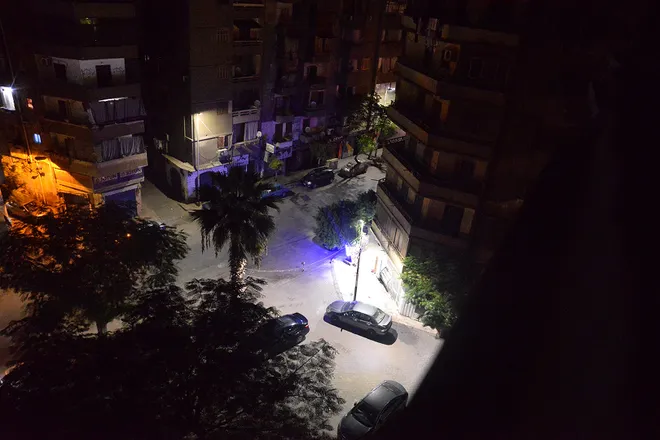
Hafsa Boraei is a Sudanese documentary photographer, filmmaker, and visual artist based in Cairo, Egypt. She holds a Master's degree in Communication Sciences from Sudan University. Her work documents Sudanese cultural heritage, women's experiences, collective memory, and the relationship between identity and displacement.

Boraei began practising photography in 2020, following Sudan's December Revolution. What started as an interest in documenting everyday life and social change gradually developed into a wider artistic practice encompassing documentary filmmaking, archival research, and visual installations. Her projects draw on personal narratives, oral histories, and cultural traditions, particularly the knowledge preserved and passed down by Sudanese women.

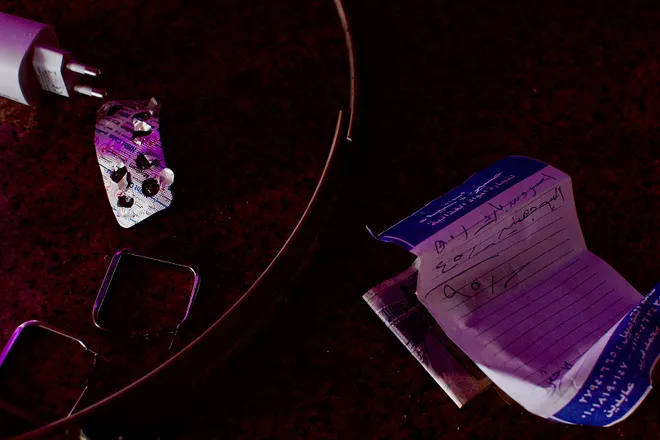
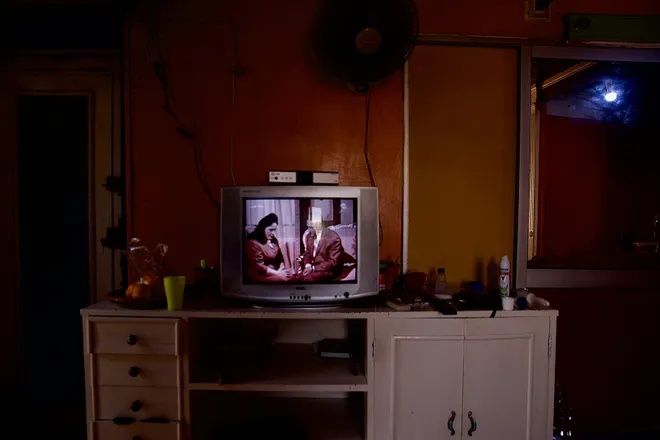
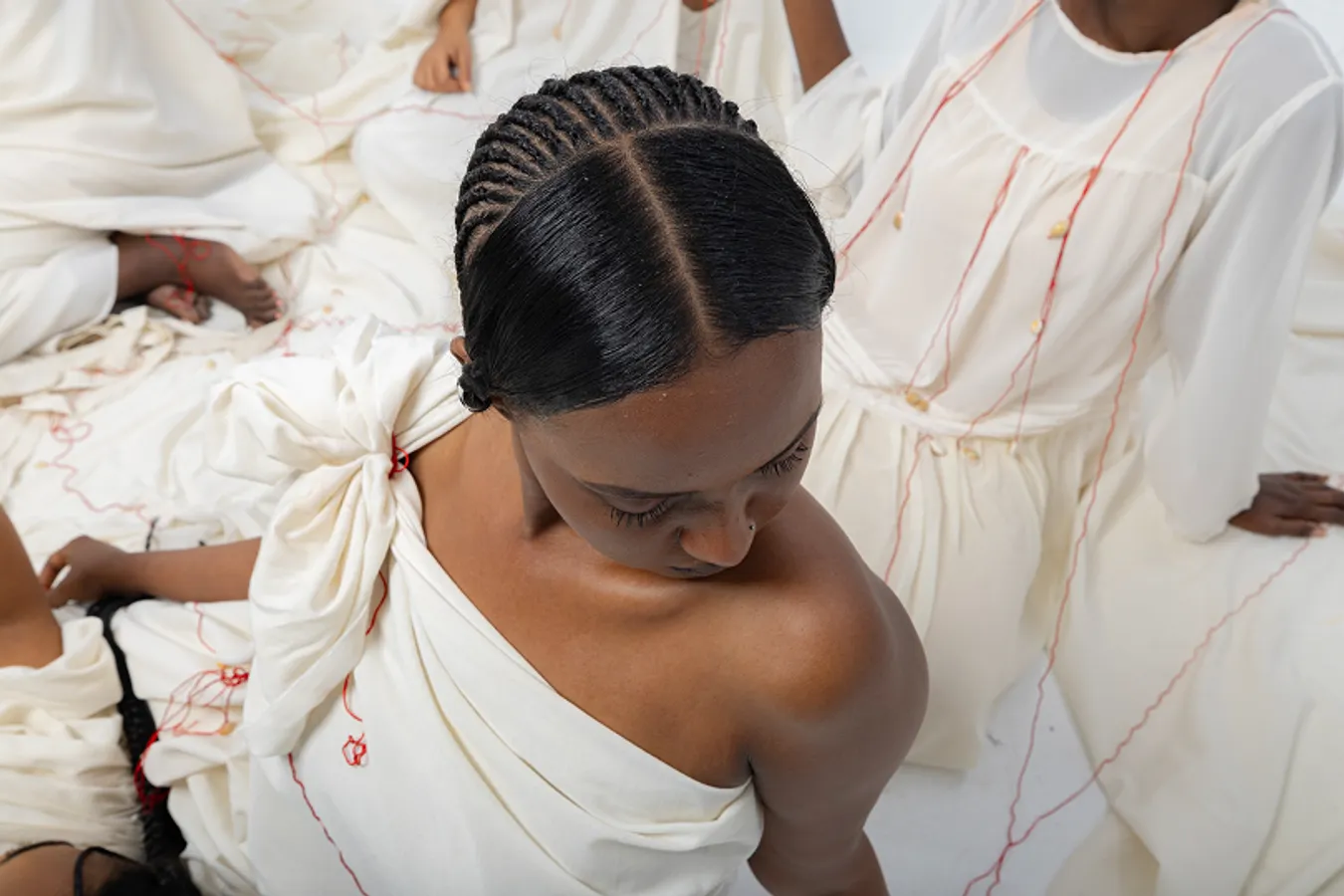
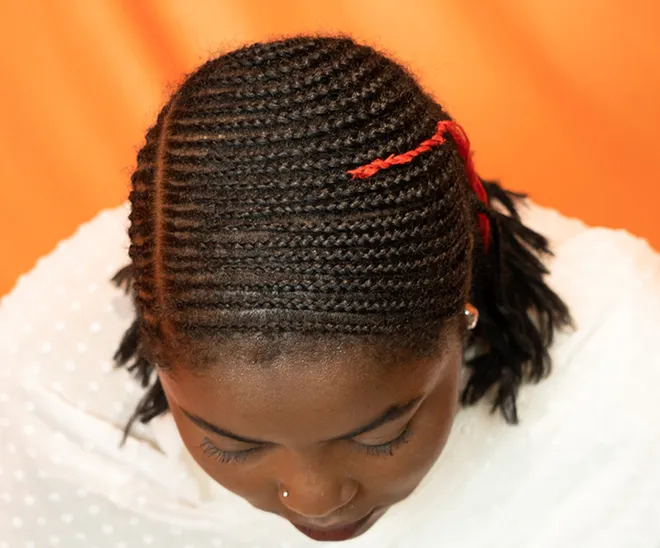
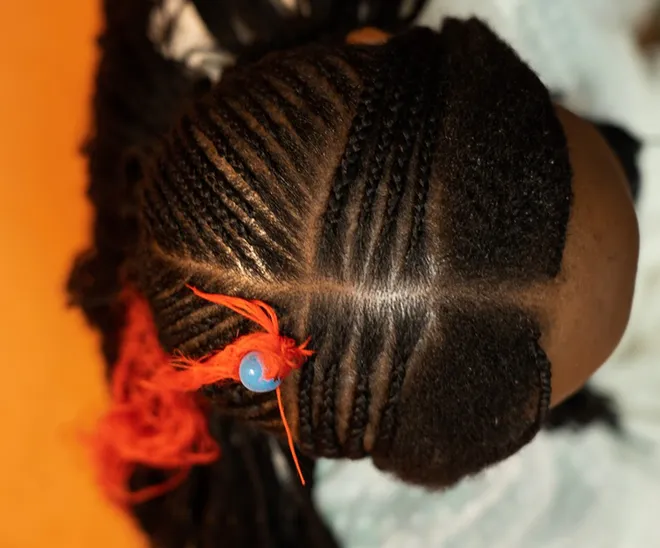
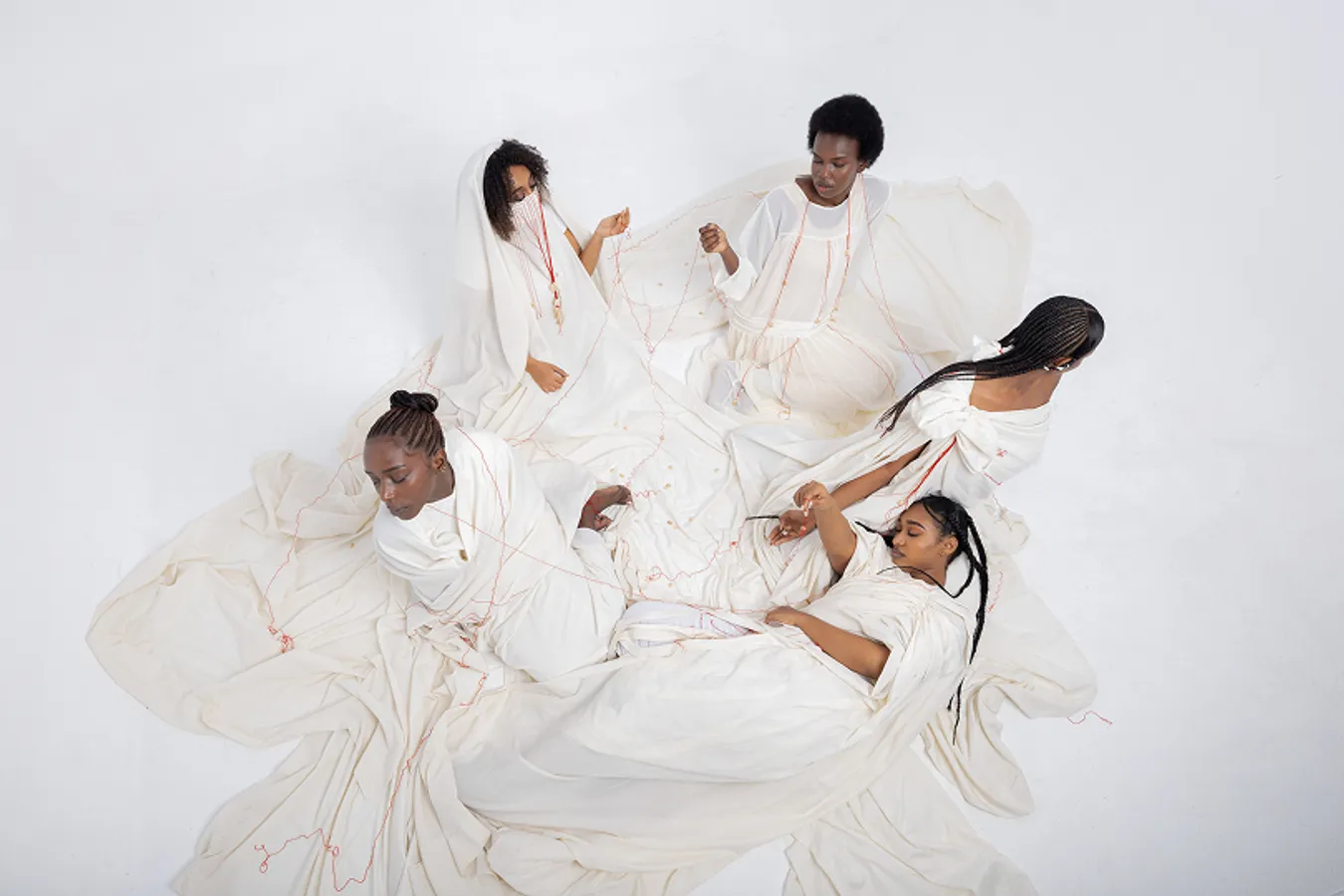
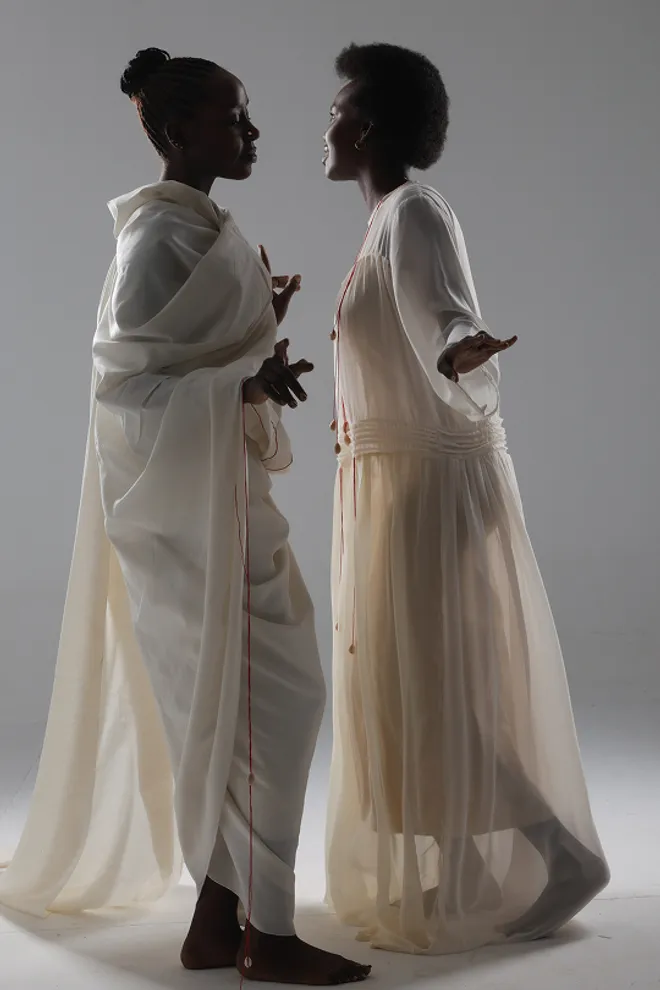
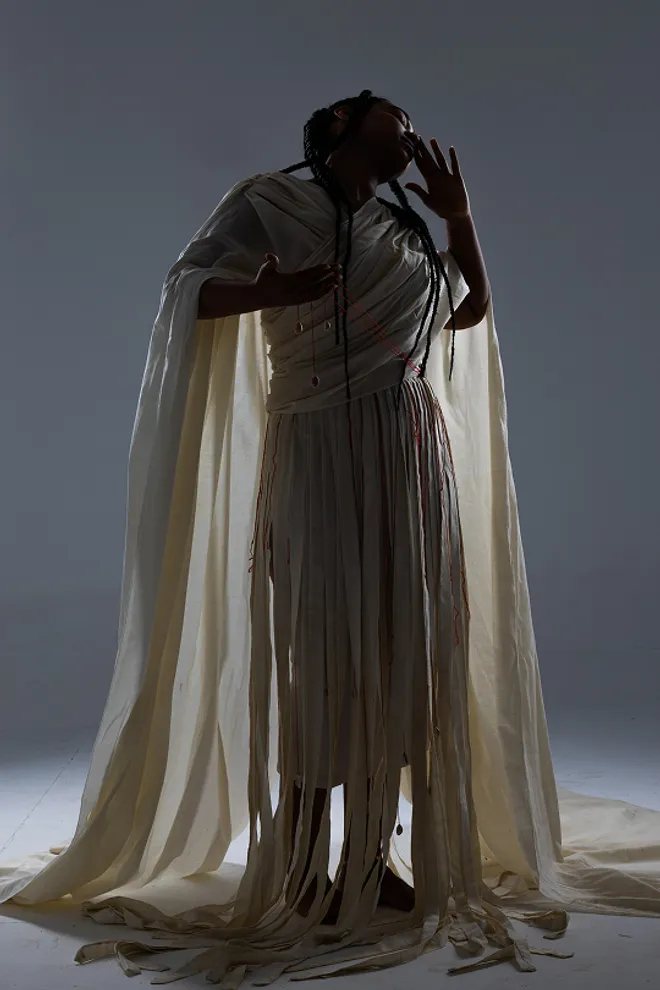
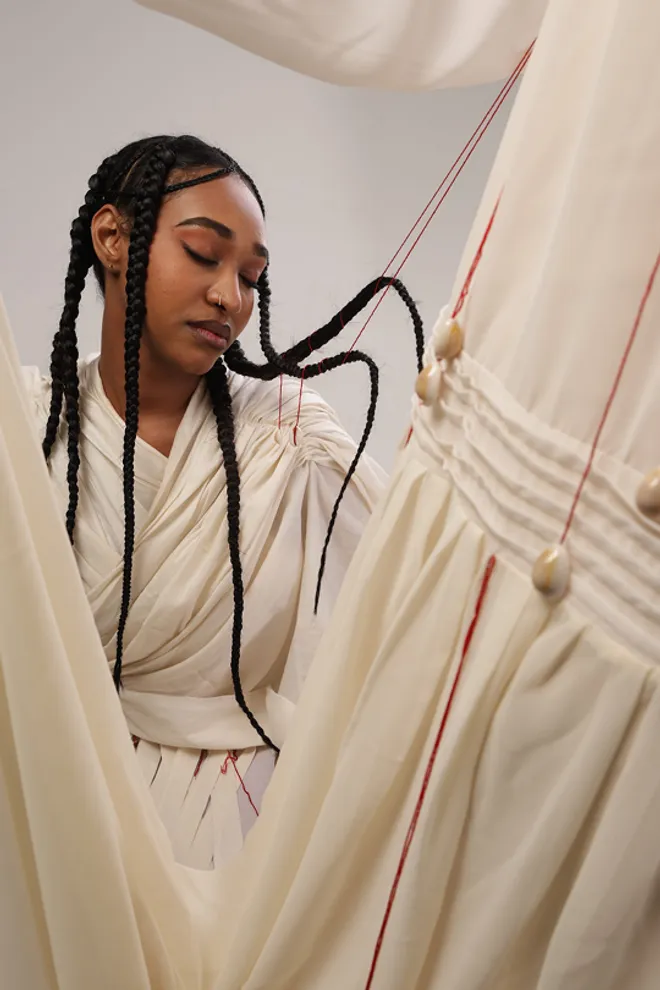
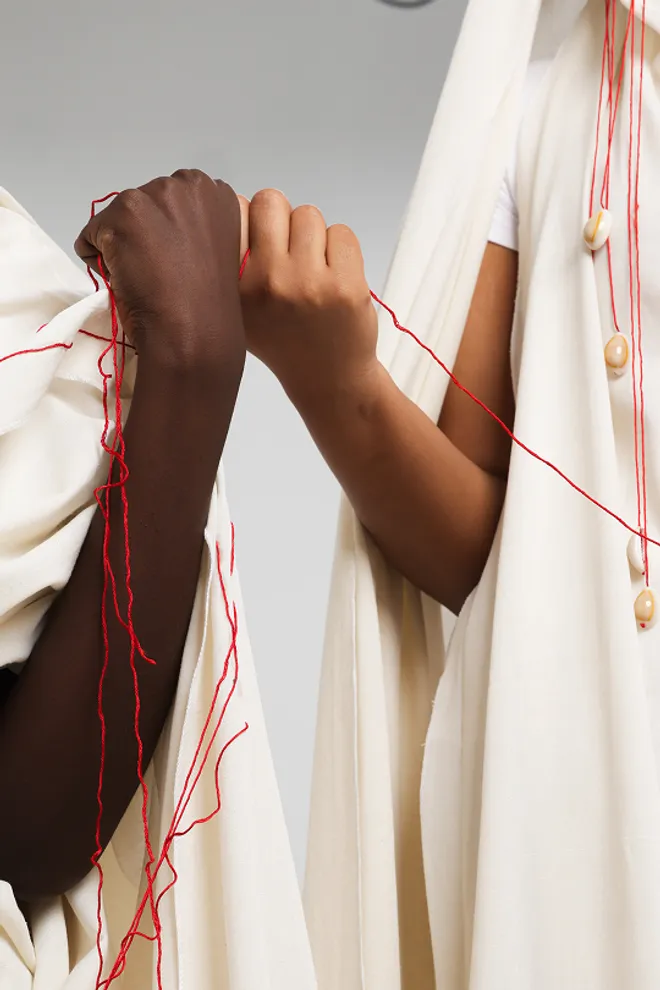
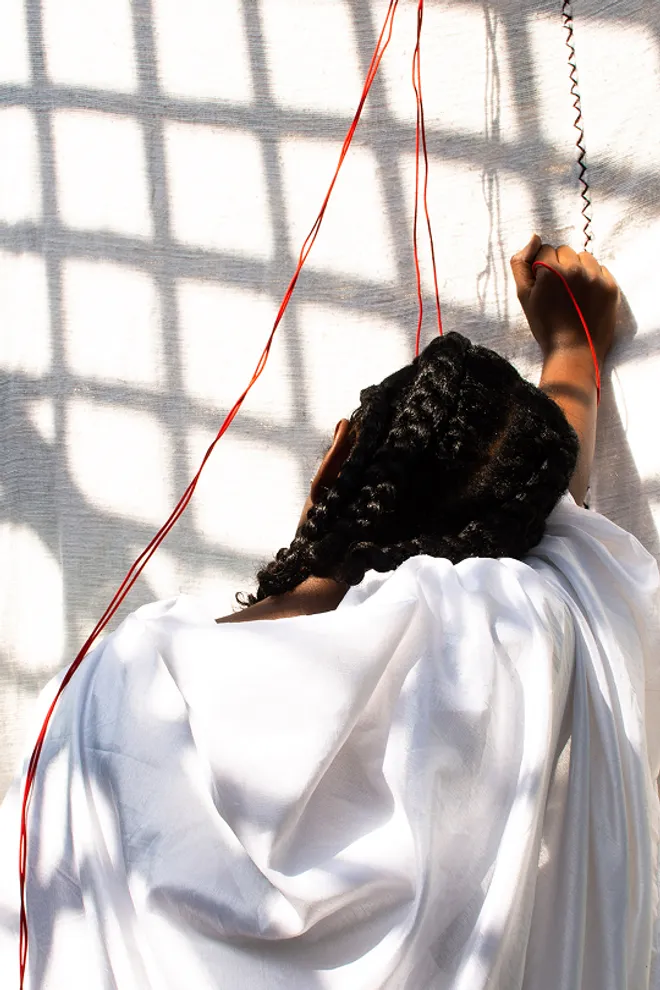
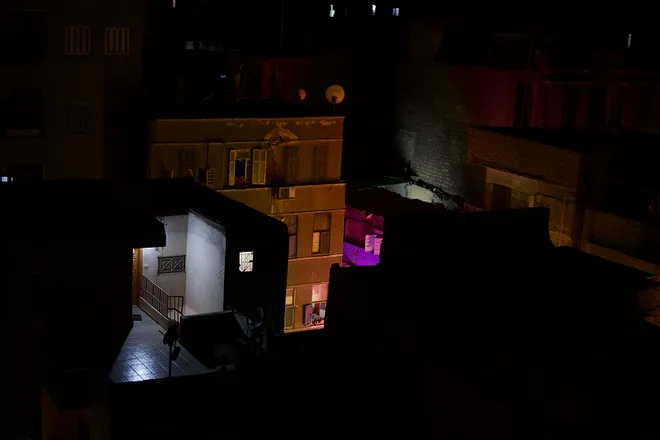
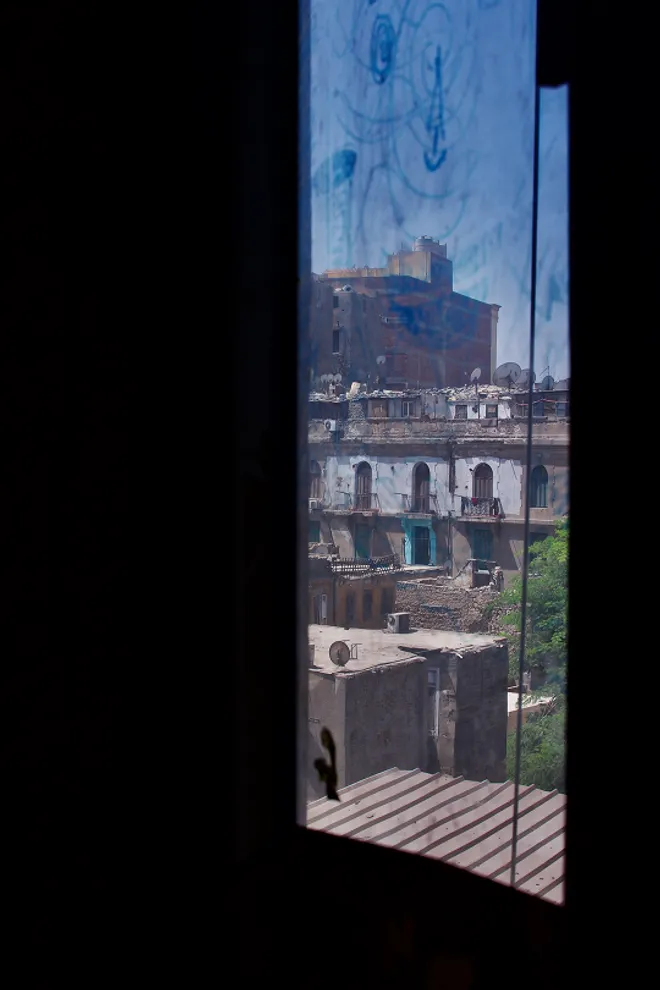
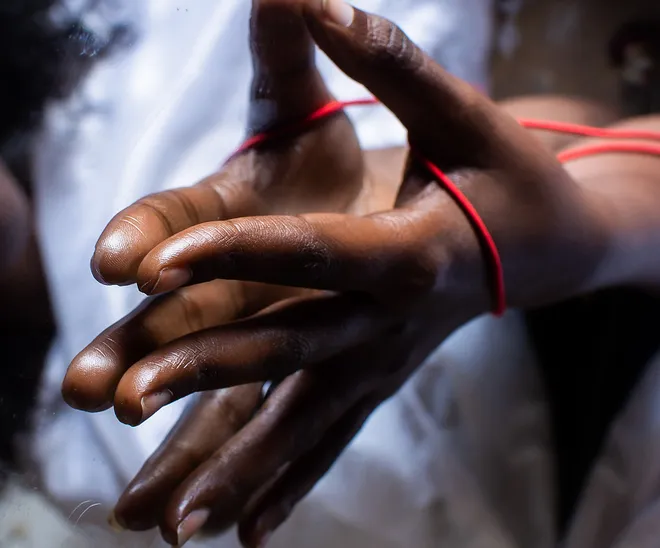
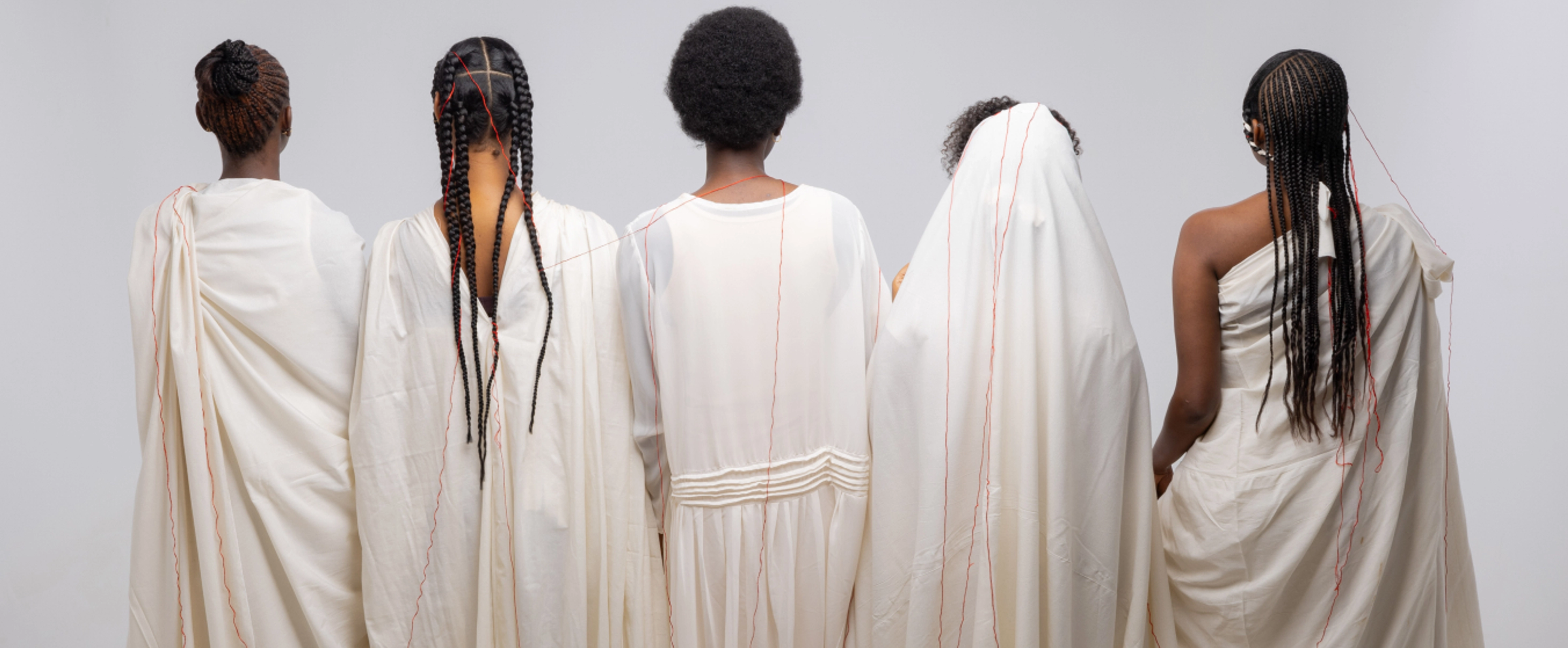
She directed 'Braids of Identity,' a short documentary examining Mashat, the traditional Sudanese practice of hair braiding, and its cultural and historical significance. Her other projects include 'The Red Thread,' a photographic and spatial installation examining Sudanese women's identities and cultural connections, and 'Postcards from Cairo,' a collaborative visual project addressing displacement, belonging, and everyday life in Egypt's capital.

Since the outbreak of war in Sudan in 2023, displacement has become increasingly significant to Boraei's practice. Working from Cairo, she continues to document the stories and memories that connect her to Sudan, while examining how cultural knowledge survives across generations and geographical borders.
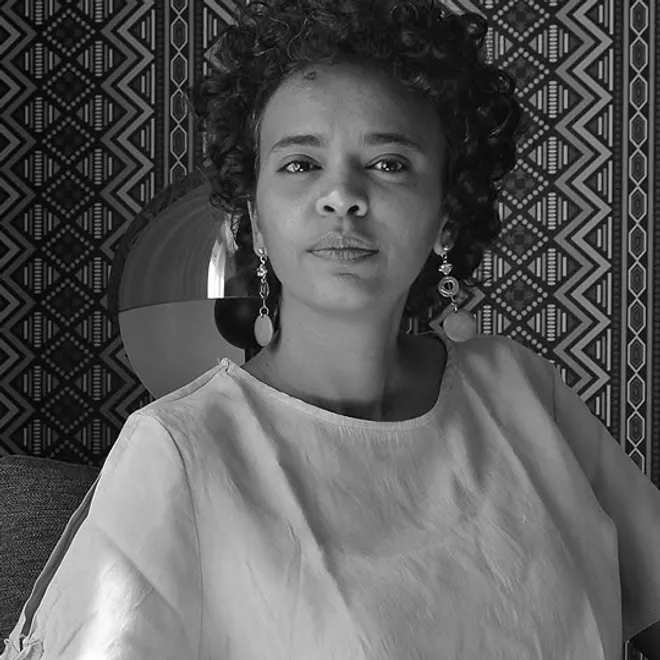
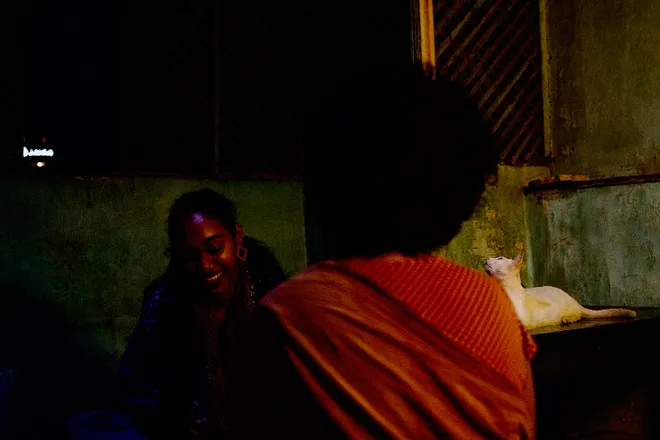
Portrait of Hafsa Boraei - Sudanese photographer & filmmaker

How did you get started in photography?

I began my photographic journey in 2020, following the December Revolution in Sudan. The revolution had a profound impact on the way I saw my country, its people, and the changes taking place around me. I felt a growing need to document these moments and the stories of people living through them.

My first camera came during the COVID-19 pandemic, and photography gradually became a way for me to understand and engage with the world around me. At first, I was drawn to documenting everyday life and social realities, and over time, my interest expanded beyond documenting events.

I became particularly interested in women's stories, cultural traditions, memory, and the details of everyday life that often go unnoticed. I started to see photography as a way of listening, preserving memories, and giving visibility to stories that might otherwise disappear.

Looking back, I think my inspiration came from a combination of the political and social changes in Sudan, my curiosity about people's lives, and my desire to understand where I come from. Photography gradually became my way of exploring identity, memory, and belonging.

How would you describe yourself?

I would describe myself as a curious person, an observer, and someone who is constantly searching for stories in the details of everyday life. I am naturally drawn to people's experiences, the memories they preserve, and the ways they express who they are through culture, traditions, and everyday gestures.

As an artist, I move between photography, filmmaking, research, and visual experimentation. I enjoy working across different mediums because each project seems to ask for a different way of telling its story. Sometimes a photograph feels right; other times, I need moving images, sound, or an installation.

I am particularly interested in ordinary things that hold deeper meanings: a hairstyle, a piece of clothing, an old photograph, a family object, or a conversation between women. I believe these small details can reveal entire histories and tell us a lot about identity, memory, and belonging.

Living away from Sudan has also made me more aware of the meaning of home. It has changed the way I look at memory, distance, and the relationship between people and the places they come from.

I can become completely absorbed in a small detail that other people might overlook. Even the way someone arranges things in their home can make me curious enough to imagine a whole story around it. Sometimes, an ordinary detail becomes the beginning of an entire artistic project.

What are the main themes that inspire your photography?

Sudanese identity, collective memory, cultural heritage, women's experiences, displacement, and belonging.

I am drawn to personal stories and everyday details that carry wider histories, particularly those connected to women's lives, knowledge, and cultural practices passed down through generations but often overlooked in official historical narratives.

In projects such as The Red Thread, Braids of Identity, and Mashat: Diaries of Memory, I explore these themes through women's stories and cultural practices. I see women as holders of knowledge, memory, and stories. I am particularly interested in documenting women's experiences and the knowledge they carry, especially stories that are often overlooked or absent from official archives.

I use photography to connect with people and open up conversations. I want viewers to feel a connection with the people and stories in my images and to find space to relate them to their own experiences and memories.

I believe images can build bridges between different human experiences, even when people are separated by geography, language, or culture. For me, the importance of photography lies in the questions it raises, the memories it brings back, and the conversations it makes possible.

"Through 'Braids of Identity', I explored the traditional practice of Mashat, Sudanese hair braiding, as a form of cultural knowledge passed between generations, carrying memories, social connections, and women's experiences."

What moment in your career are you most proud of?

The journey of my short documentary film, Braids of Identity. This project is meaningful to me because it grew from my interest in Sudanese cultural heritage, women's stories, and the relationship between memory and identity.

Through the film, I explored the traditional practice of Mashat, Sudanese hair braiding, as a form of cultural knowledge passed between generations, carrying memories, social connections, and women's experiences.

Seeing the film reach different audiences through screenings and cultural platforms, including its presentation at the Africa Foto Fair, was a meaningful milestone for me. It showed me that a story rooted in a specific cultural experience can create connections with people from different backgrounds.

I am proud of the film itself and the process behind it: the conversations with women, the research, and the effort to give visibility to a practice that holds an important place in Sudanese cultural memory. It strengthened my belief in the importance of telling our own stories and preserving the knowledge carried within our communities.

"The war in Sudan changed many aspects of my life and work. It affected my access to places, people, and stories that are important to my practice, and it made me reconsider how I could continue creating..."

What is the biggest challenge you've faced as a photographer?

Continuing to develop my practice while experiencing displacement and living away from my home country.

The war in Sudan changed many aspects of my life and work. It affected my access to places, people, and stories that are important to my practice, and it made me reconsider how I could continue creating while living in a different environment.

At times, the challenge was both practical, including limited resources and access to equipment, and emotional. Being away from the places and communities that shape my work made me think differently about memory, distance, and belonging.

I learned that photography involves observation, relationships, listening, and finding new ways to tell stories. I began exploring how displacement itself could become part of my artistic practice and influence the stories I tell.

I have tried to overcome this challenge by adapting my methods, continuing to work with the stories and memories I carry, and building connections with Sudanese communities in Egypt.

This experience has taught me to be more resourceful, patient, and flexible, and has deepened my understanding of photography as both an artistic practice and a way of staying connected to people, places, and memory.

What type of photography do you specialise in?

I specialise in documentary photography and visual storytelling, particularly women's stories, cultural heritage, identity, and collective memory. My practice also extends to filmmaking, archival research, and visual installations.

Over time, my style has evolved from a more direct documentary approach towards a more personal and conceptual visual language. I have become increasingly interested in combining photography with research, oral histories, sound, archival materials, and moving images.

I often begin with research, conversations, and listening before developing the visual direction of a project. I am drawn to details such as hairstyles, traditional clothing, personal objects, gestures, and everyday rituals because they can carry deeper meanings about identity, history, and belonging.

I like working with natural environments, intimate portraits, textures, and carefully considered compositions. I also experiment with combining photography, moving images, archival materials, and sound to create layered visual narratives.

Today, I see photography as part of a wider artistic practice. I am interested in what an image shows, what it remembers, what it leaves unseen, and the questions it invites us to ask.

How's the photography and art scene in Sudan?

I see the photography and art scene in Sudan as one with a rich visual culture and a strong sense of identity, creativity, and storytelling.

Before the war, there was a growing community of independent photographers, visual artists, filmmakers, and cultural initiatives exploring new ways of documenting and interpreting Sudanese society, history, and everyday life.

Since the war began in 2023, the scene has faced enormous challenges. Many artists have been displaced, studios and cultural spaces have been lost, and opportunities to work and exhibit have become more limited.

However, artists continue creating from different places, including within Sudan and across the diaspora. There is also a growing urgency to preserve cultural heritage, personal archives, and stories that might otherwise disappear.

Living in Cairo has given me the opportunity to experience another dynamic creative environment. Egypt has a diverse photography and contemporary art scene, with independent spaces, exhibitions, workshops, festivals, and opportunities for exchange between local and international artists.

Being part of both contexts has influenced the way I think about displacement, cultural memory, identity, and how stories travel across borders. I also see a growing connection between Sudanese artists and the wider African and international art scenes.

For me, one of the most important developments is that Sudanese artists are increasingly creating spaces to tell their own stories and represent their experiences on their own terms. Despite the difficulties, I believe there is a strong creative energy that continues to shape the future of Sudanese visual culture.

What is your unique technical or visual approach?

My visual approach combines documentary observation with an interest in memory, symbolism, and cultural details. I often begin with research, conversations, and listening before developing the visual direction of a project.

I am drawn to details that might seem ordinary at first, such as hairstyles, traditional clothing, personal objects, gestures, and everyday rituals. I see these details as visual elements that can carry deeper meanings about identity, history, and belonging.

Technically, I like to work with natural environments, intimate portraits, textures, and carefully considered compositions. I also experiment with combining photography, moving images, archival materials, and sound to create layered visual narratives.

For me, the camera is a way of listening. I want my images to leave room for the people and stories within them, allowing viewers to discover meanings and make their own connections.

What is one professional standard you never compromise on?

Respect for the people and stories I work with. I believe documentary photography comes with a responsibility, especially when telling stories about women's lives, vulnerable communities, or personal experiences.

For me, this means building trust, listening carefully, respecting people's dignity and perspectives, and being honest in how I represent their stories. I never want an image to exploit someone's experience or sacrifice their truth for the sake of a powerful visual.

I believe that a meaningful photograph reflects the relationship and responsibility behind it as well as its visual qualities. Maintaining this trust and integrity is essential to my work.

What do you think of the 54Ruum platform?

54Ruum is an important and promising platform because it creates space for African photographers and visual storytellers to connect, share their perspectives, and reach wider audiences.

What I particularly appreciate is its focus on the stories behind the images. Giving artists the opportunity to share their journeys and explain their practices helps audiences understand their work on a deeper level.

I also value the idea of building connections across African countries and creating opportunities for collaboration, visibility, and professional growth. There are so many talented African image-makers whose work deserves to be seen and recognised internationally.

As a Sudanese visual artist, I find this especially meaningful. I believe African artists need platforms where they can represent their own stories, exchange ideas, and build connections beyond geographical borders.
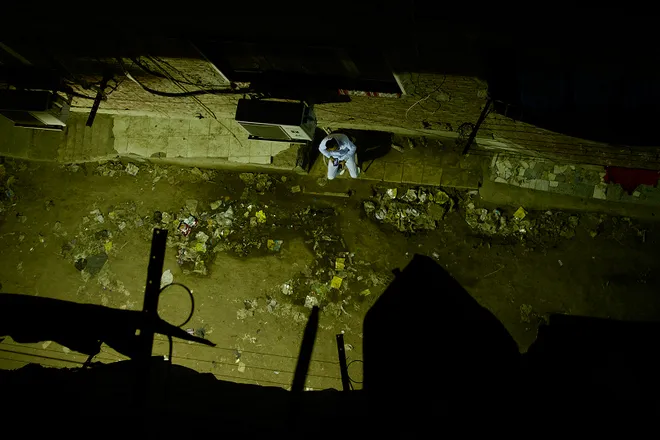
I see 54Ruum as a valuable step towards creating a more connected and visible African visual community, and I am happy to be part of this growing conversation.

Credits

Text

Lillian Wangari

Photography

Hafsa Boraei

Curation

guvnor

SHARE THIS STORY

Join Our Community

Explore more content

Company

The Ruum AfricaJoin our team

Products

Select™RTM

© 2026 The Ruum Africa

Built by54grid logo