Kipchumba Koech: Kenyan photographer documenting wildlife, human stories, and the connections between people and their environments

9 mins read
•
Published16 Nov, 2026

"Spending nearly three years in the Maasai Mara taught me the value of patience, anticipation and spending time with a subject rather than simply looking for a photograph."

Kipchumba Koech is a Kenyan photographer and filmmaker working across documentary, wildlife, travel, and sport. His work focuses on people, cultures, landscapes, and the natural world, with an interest in the relationships between them.

Koech began his photographic practice in 2018 and has since worked across different parts of Kenya. He spent nearly three years as a resident creative in the Maasai Mara, an experience that became an important part of his development as a visual storyteller.

In 2024, he began pursuing filmmaking more seriously. His practice now extends across photography and cinematography, with a growing interest in natural history, conservation, human stories, and sports documentary.
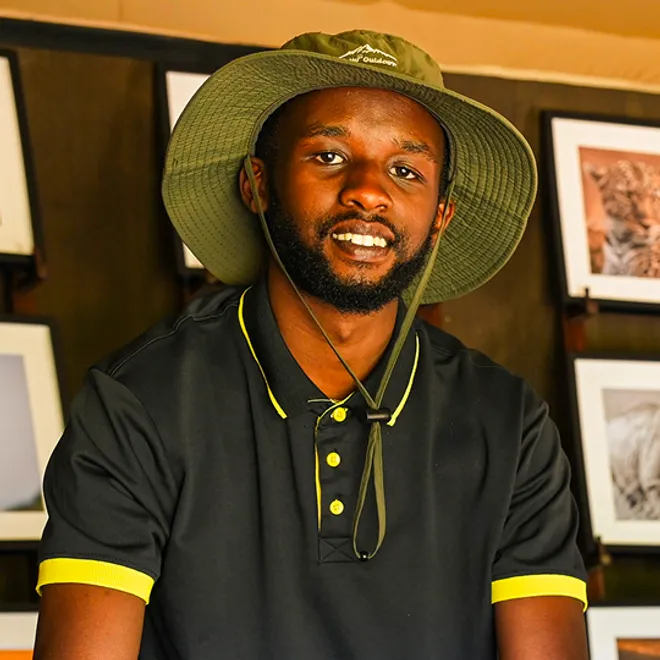
Portrait of Kipchumba Koech - Kenyan photographer

How did you get started in photography?

While I was in high school, some friends and I became curious about photography. We used to borrow our school photographer's camera to take pictures of ourselves around the school.

That was where the spark began. I later submitted some images to a competition and came first in the photography category at the national level.

I have continued taking photographs ever since.

How would you describe yourself?

I'm a curious person, an observer, and someone who is constantly drawn to discovering and understanding the world around me.

I enjoy being outdoors, exploring unfamiliar places, meeting people, and listening to their stories. I am also a little introspective and enjoy quiet moments.

I can spend hours watching something unfold, whether it is animal behaviour in the wilderness, the rhythm of life in a small town, or interactions between people. There is often so much happening when you take the time to slow down and pay attention.

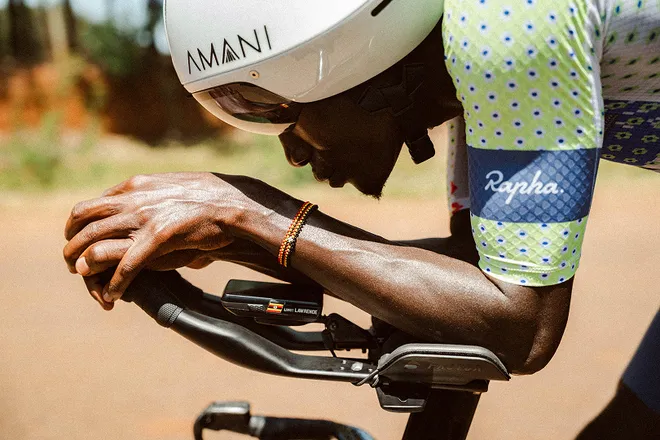
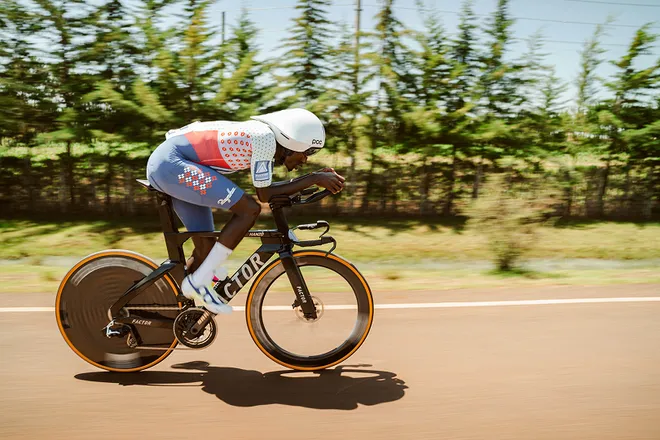
Outside photography and filmmaking, I am passionate about music, art, and running. I took up running a couple of years ago, and it has become an important part of my life. There is something about being out on the road, particularly in the Rift Valley, that I find incredibly grounding.

I see parallels between running and photography. Both require patience, consistency, presence, and an appreciation for the journey.

I also enjoy learning and figuring things out along the way. I have come to appreciate that some of the most meaningful experiences and opportunities happen when you remain open to possibilities.

What are the main themes that inspire your photography?

Human beings, places, and wildlife.

I believe we are all connected in one way or another, and documenting environments and their inhabitants helps me understand these connections

.

I try to document them as authentically and honestly as possible, to raise awareness among my audience.


What moment in your career are you most proud of?

Recently, I completed a storytelling bootcamp organised by Nuru Film Institute alongside 12 other African visual storytellers.

We created three conservation short films in Nairobi National Park, and being mentored by people with experience at the level of National Geographic and BBC Studios was really eye-opening and inspiring.

I left with incredible knowledge that will help me continue shaping my approach as a storyteller.

What is the biggest challenge you've faced as a photographer?

Not having access to equipment when I was starting was a real challenge. Photography equipment is expensive, and without it, taking on client work or pursuing personal projects can be difficult.

During this phase, I used my mobile phone to document life around me while learning. By the time I was able to purchase my first camera, I had some experience, so the transition was easy.

I learnt that the best camera is the one in your hand. Learning while practising consistently is key.


During this phase, I used my mobile phone to document life around me while learning. By the time I was able to purchase my first camera, I had some experience, and it was easy to make the transition.

I learnt that the best camera is the one in your hand. Learning while practising consistently is key.

"A gesture, an interaction or a subtle change in light can sometimes communicate more than the obvious photograph."

What type of photography do you specialise in?

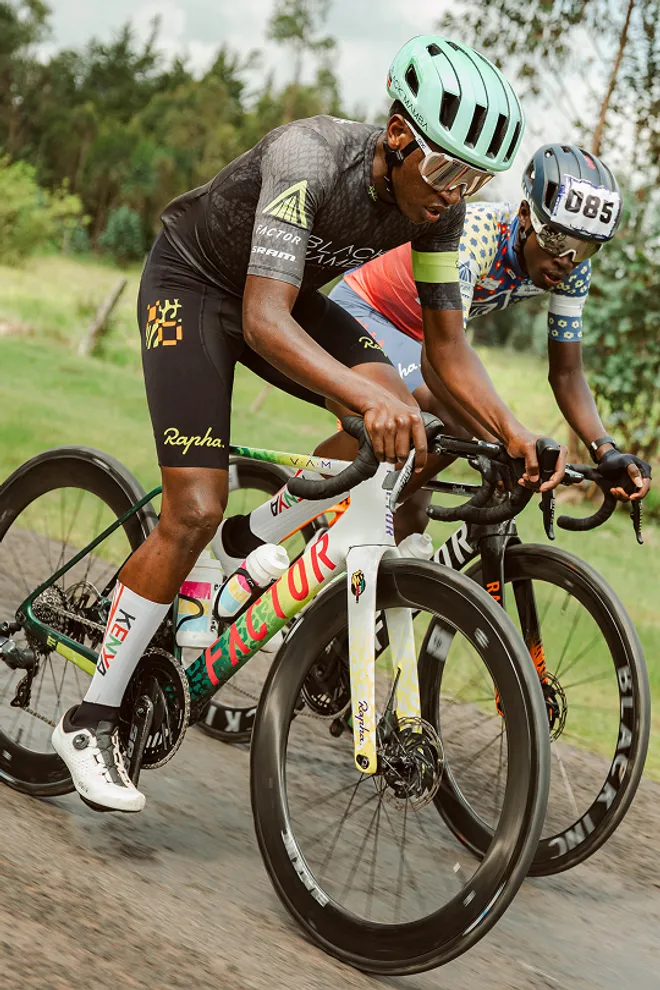
My photography is primarily documentary, wildlife, and travel, with a growing interest in sports and editorial storytelling.

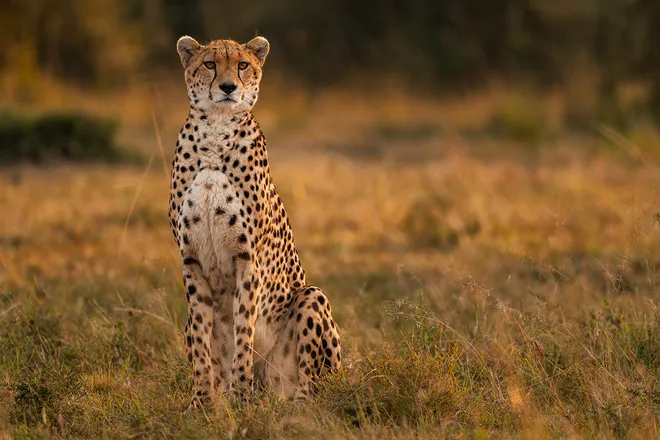
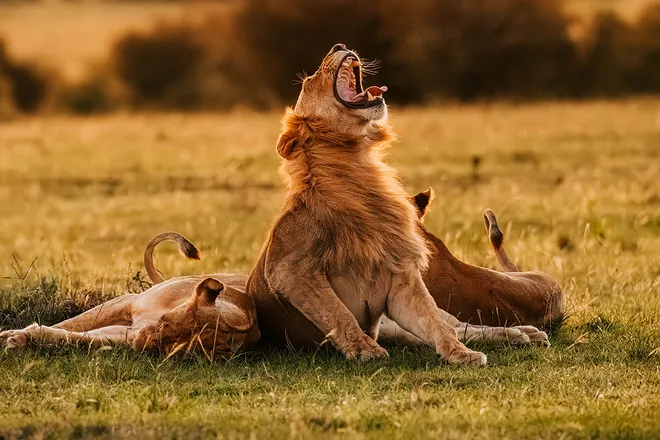
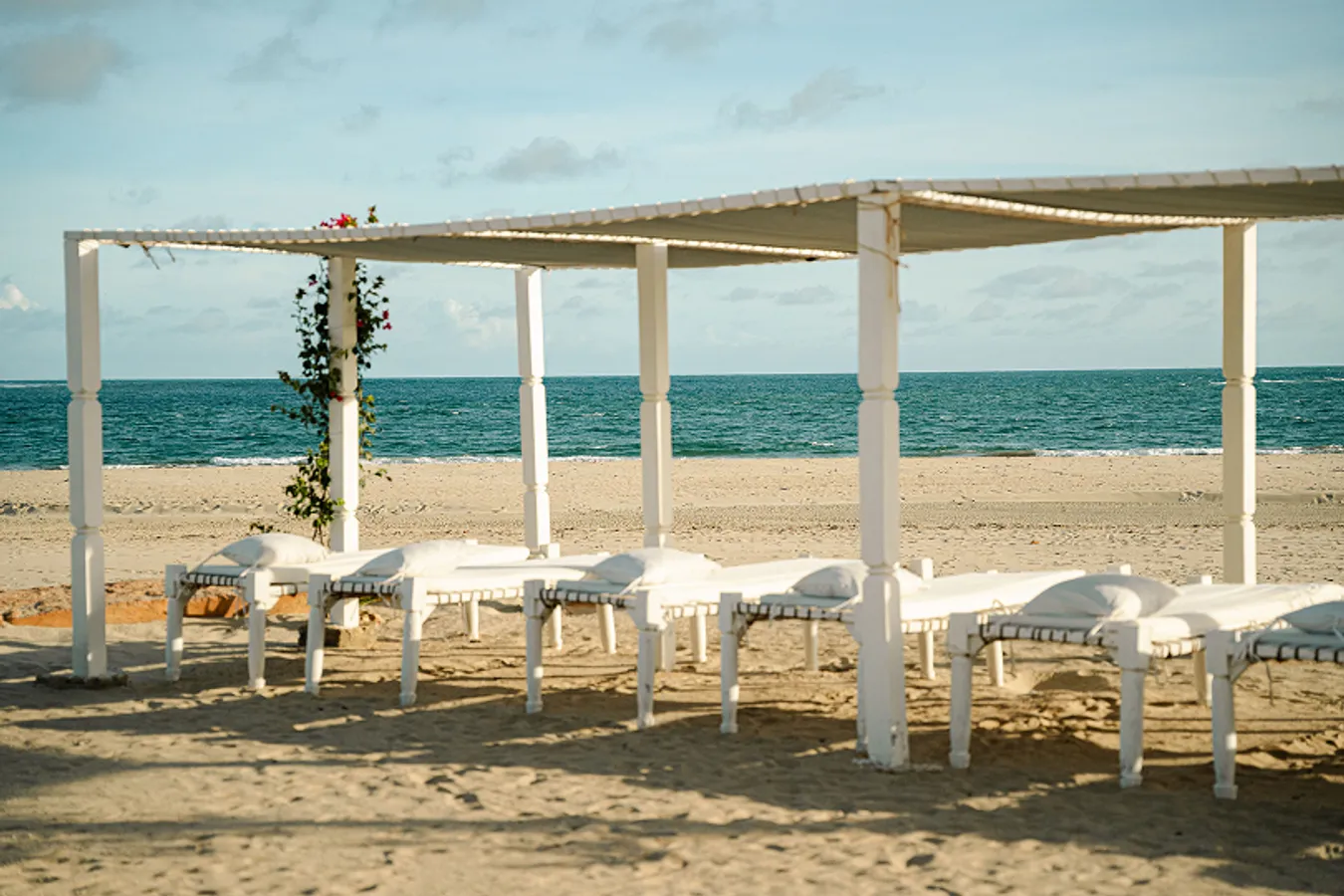
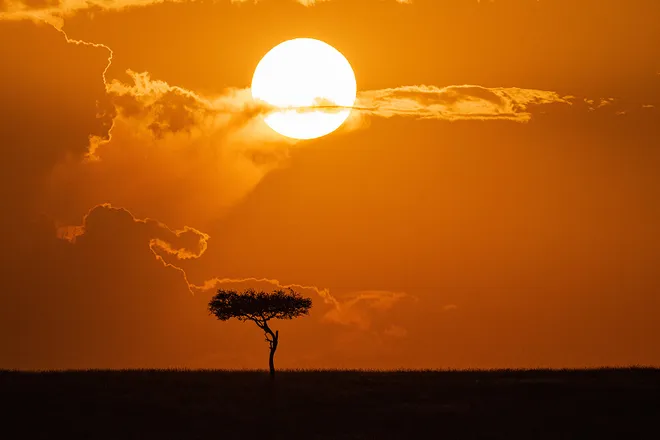
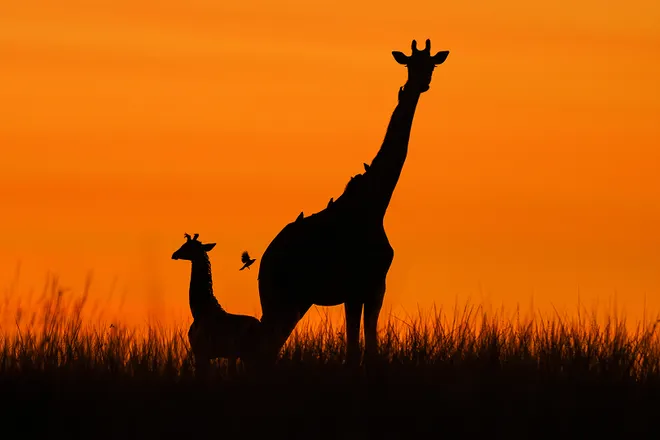
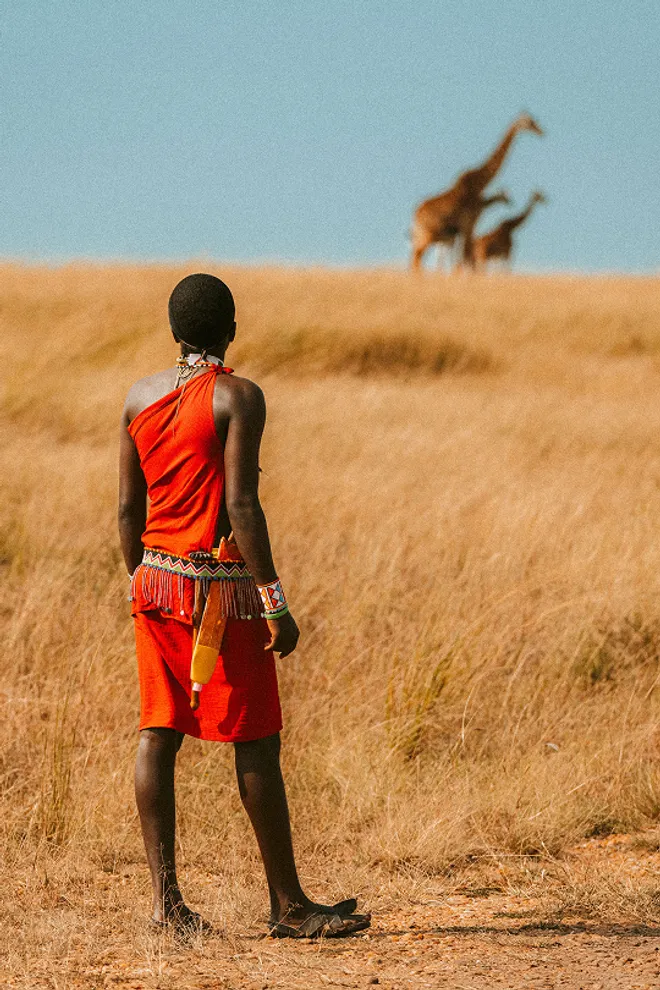
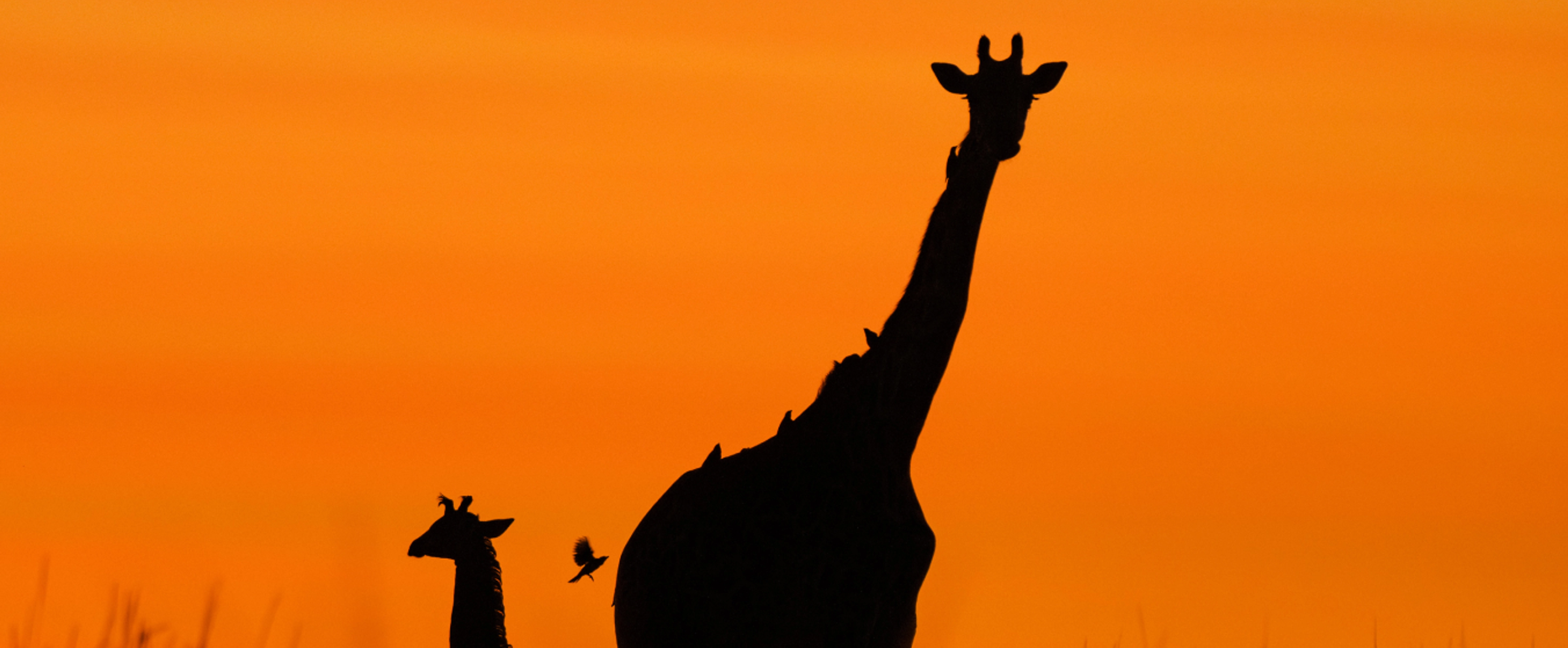
My interest in wildlife photography grew significantly during my time living and working in the Maasai Mara. Spending extended periods there allowed me to observe wildlife beyond the usual encounters and familiar safari moments.

I became increasingly interested in animal behaviour, interactions, and the subtle details that reveal how different species coexist within their environments.

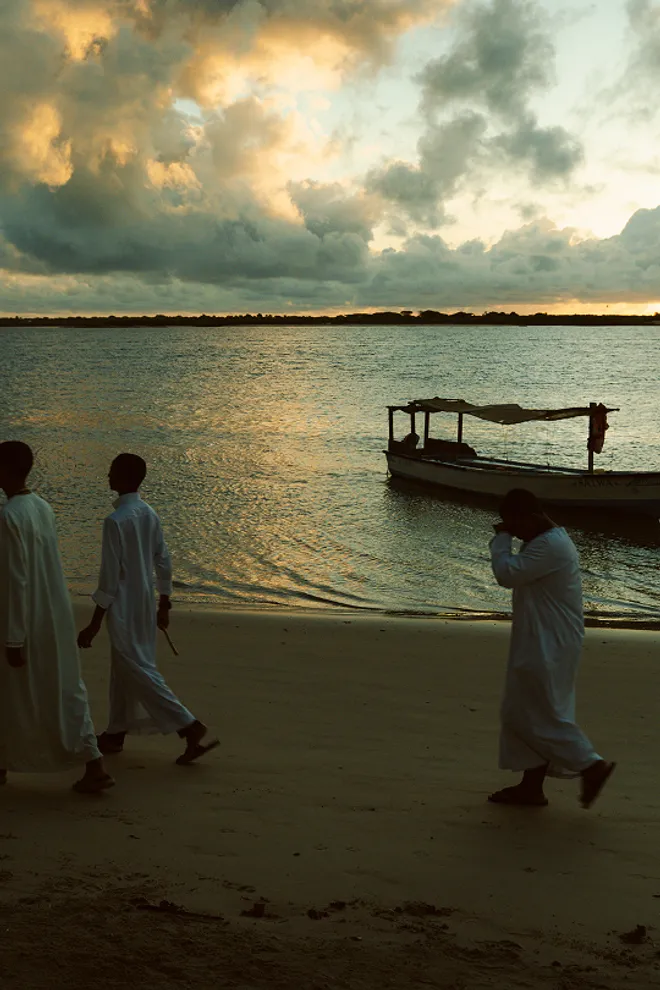
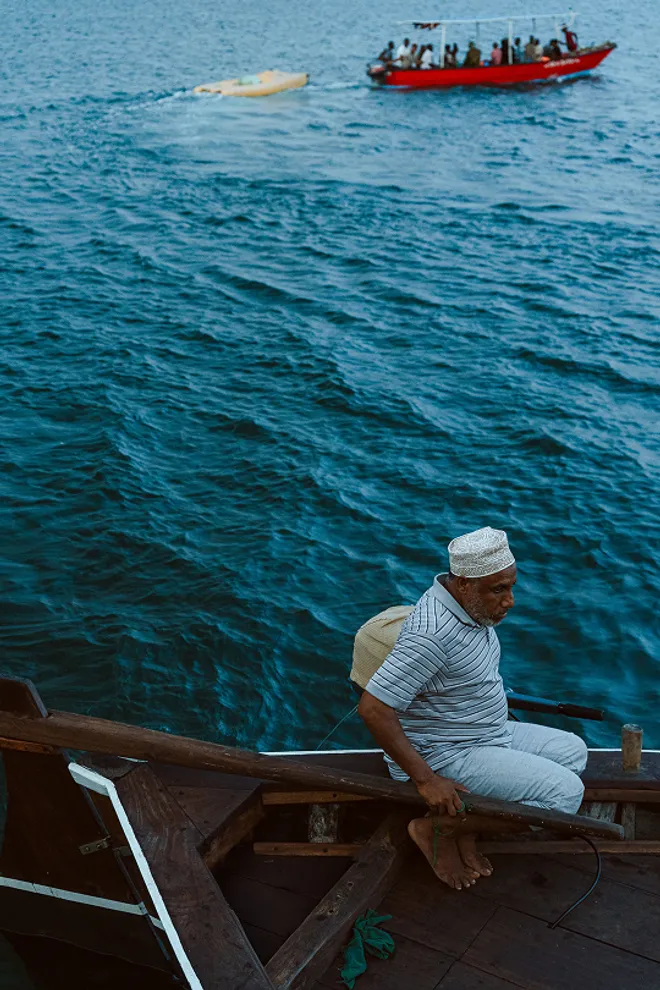
Documentary photography has allowed me to work on a wider range of stories, particularly those centred around people, culture, conservation, and our relationship with the natural world. I am drawn to stories with a human element that connect to larger environmental, cultural, or social issues.

Over the years, my style has evolved from wanting to capture beautiful or striking images to becoming more intentional about what I photograph and why.

I want my images to give viewers a feeling of what it was like to be there and perhaps encourage them to look at a subject, a place, or a relationship differently.

What is your unique technical or visual approach?

My approach is largely observational. I like to spend time with a subject, understand its environment, and allow moments to unfold naturally.

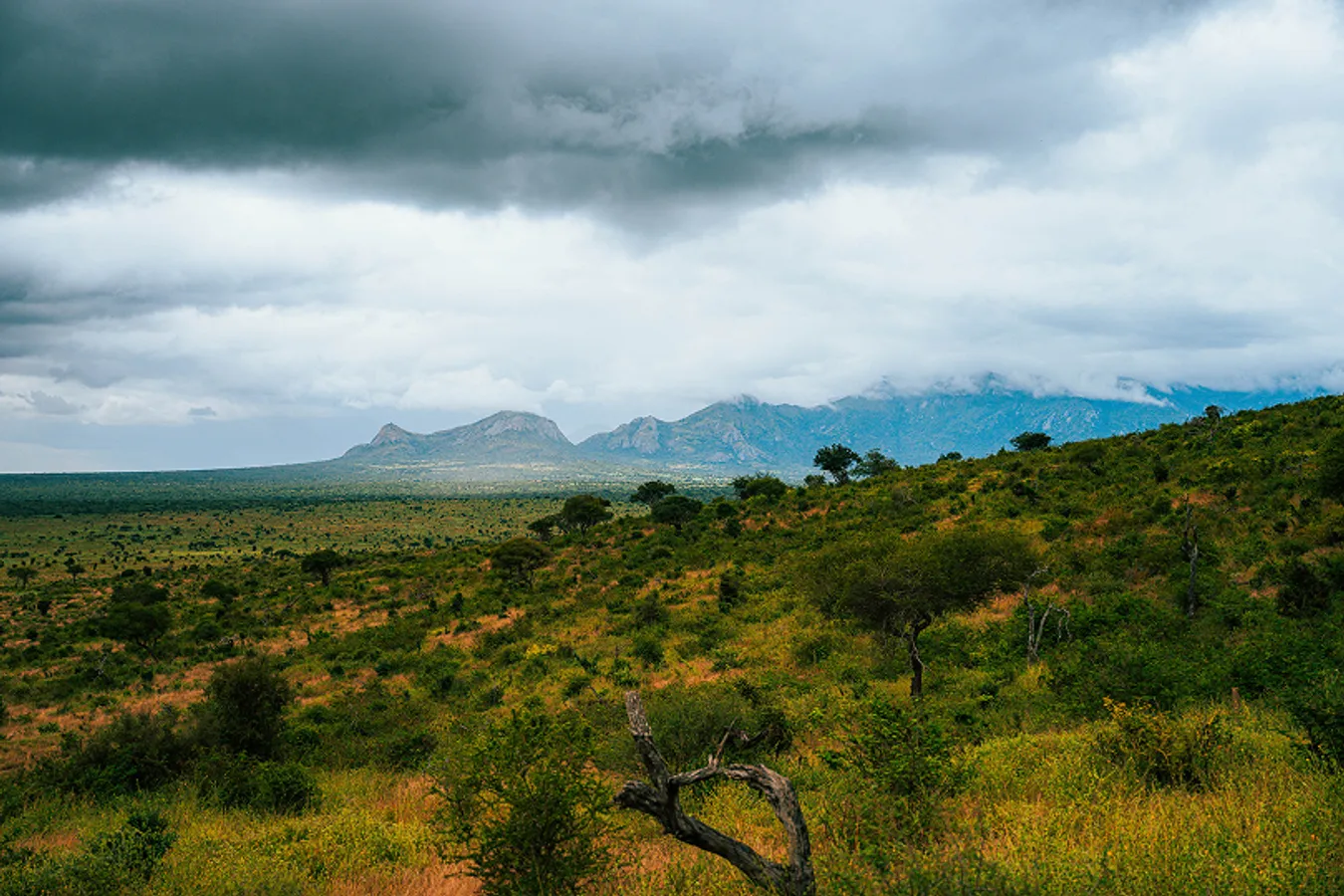
Visually, I am drawn to natural light, atmosphere, strong compositions, and a sense of place. I enjoy using a combination of wider environmental frames and intimate details to build a visual narrative.

I also pay attention to the smaller, easily overlooked moments. A gesture, an interaction or a subtle change in light can sometimes communicate more than the obvious photograph.

Ultimately, I want my work to feel honest, immersive, and considered, giving viewers a reason to pause and look a little closer.

"One of the most exciting developments is seeing more African creatives take ownership of their narratives and shape how the continent is represented to the rest of the world."

How's the photography and art scene in Kenya?

Kenya has a vibrant and evolving photography and creative arts scene, with a growing community of photographers, filmmakers, visual artists, and independent storytellers.

Over the past few years, I have noticed a significant shift, particularly with the growth of digital platforms, independent creative communities, and greater access to visual storytelling tools.

There is a growing interest in documentary filmmaking, visual journalism, conservation storytelling, and contemporary African narratives. I find this encouraging because there is so much to document across Kenya and the wider continent, yet many stories remain underrepresented or are still told predominantly through external perspectives.

The industry continues to face challenges around sustainable funding, access to opportunities, fair compensation, and recognition of local creative talent. I believe there is enormous potential, along with a need for stronger creative networks, collaboration, and platforms that connect African image-makers with wider audiences and meaningful opportunities.

For me, one of the most exciting developments is seeing more African creatives take ownership of their narratives and shape how the continent is represented to the rest of the world.

What do you think of the 54Ruum platform?

I like that 54Ruum takes an interest in the people and stories behind the photographs. I also appreciate the opportunity to connect with other African creatives and reach wider audiences.

I am interested in the commercial opportunities it could create for photographers while helping them retain ownership of their work.

Credits

Text

Kànmí Òshó

Photography

Kipchumba Koech

Curation

guvnor

SHARE THIS STORY

Join Our Community

Explore more content

Company

The Ruum AfricaJoin our team

Products

Select™RTM

© 2026 The Ruum Africa

Built by54grid logo