Meha Desai: Mauritian-Indian photographer and researcher bringing listening and dialogue into documentary storytelling

13 mins read
•
Published17 Nov, 2026

“I tend to get absorbed in things that interest me, sometimes taking them in directions I hadn’t anticipated. I’m a bit of a collector too, of photographs, stories, books, and, rather unusually, water.”

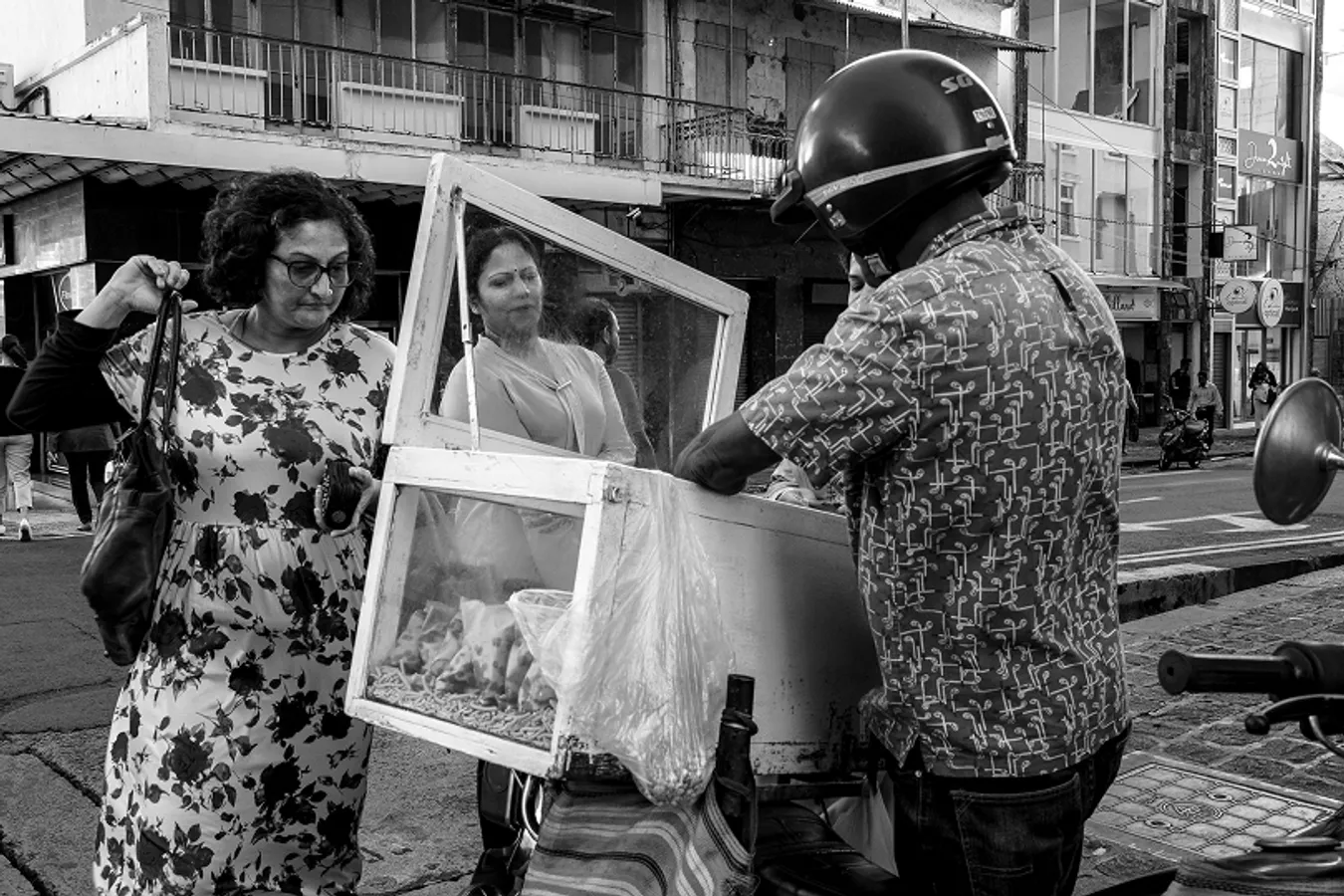
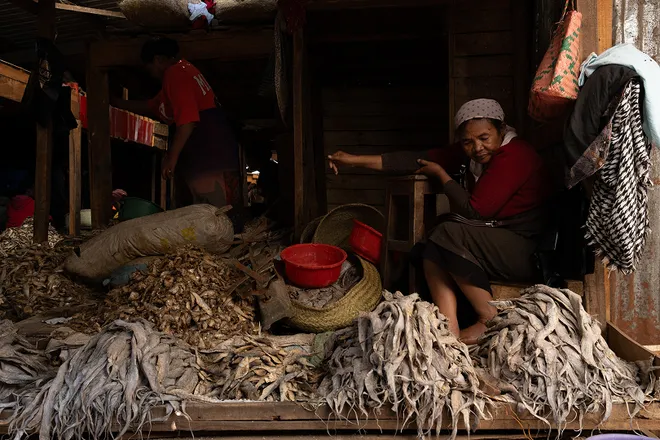
Meha Desai is a Mauritian-Indian photographer and researcher based between Mauritius and Dubai, after more than a decade living and working in Mauritius. Her multidisciplinary practice moves between documentary photography, writing, field research and installation work. With a background in art history and editorial research, she is drawn to the visual vernacular of Mauritius and the Indian Ocean region, beyond the familiar images through which the island is usually presented.

Alongside her independent practice, Desai works on commissions for publications, cultural institutions and non-profit organisations. Her photography and writing have appeared in Harper’s Bazaar India, Whetstone, Eater and Goya Journal.

Her work has been presented in exhibitions, residencies and public programmes internationally, including in Mauritius, India, Madagascar, South Africa and the United States. She is co-founder of resort, a Mauritius-based collective of artists and researchers engaged in care-based and decolonial cultural practices.
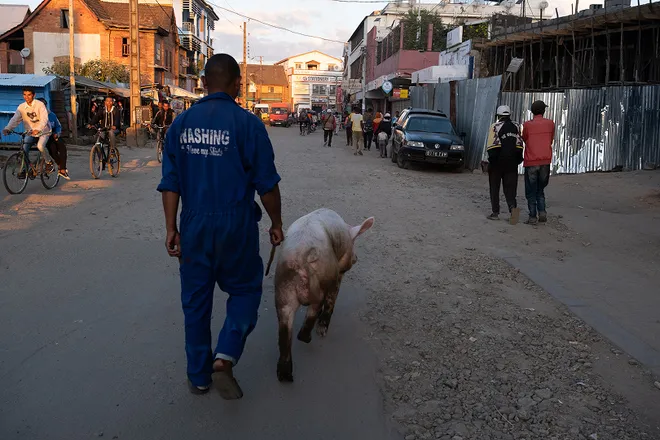
How did you get started in photography?

I was about ten or eleven when my father gave me my first camera, a Yashica medium-format film camera that took just twelve photographs on a roll. That was my introduction to photography, and I was fascinated by it.

Later, during a gap year, I travelled around India taking photographs. I have always loved stories, and I think photography gave me a way to engage with them on my own terms. Sometimes that meant interacting with people, and sometimes it meant quietly disappearing into the background and simply observing. I liked that, and I still do.

There was no particular moment when I decided I wanted to be a photographer. I enjoyed it, kept returning to it, and gradually it became part of my life.

How would you describe yourself?

I always find it a little difficult to describe myself! I’m a reader and a photographer. I enjoy being around people, hearing about their lives and experiences, but I’m equally happy sitting quietly and watching the world go by.

I tend to get absorbed in things that interest me, sometimes taking them in directions I hadn’t anticipated. I suppose I’m a bit of a collector too, of photographs, stories, books, and, rather unusually, water. I once collected a hundred different waters from around Mauritius for an art project.

What are the main themes that inspire your photography?

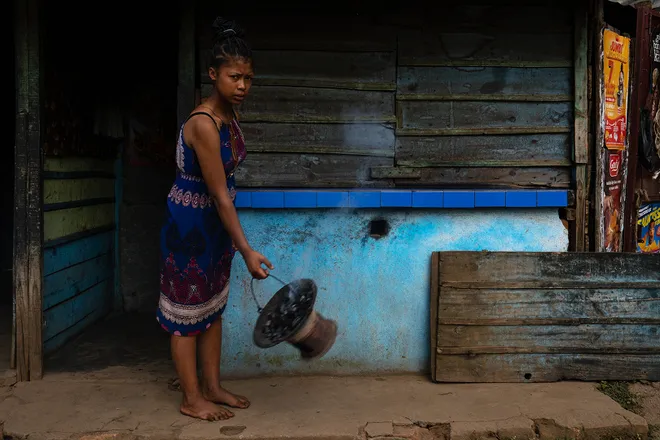
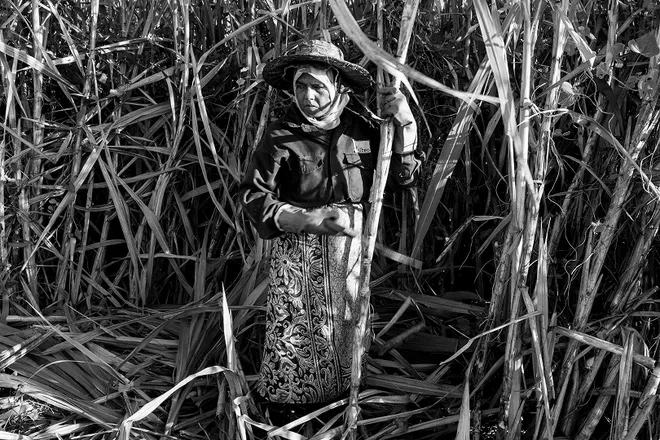
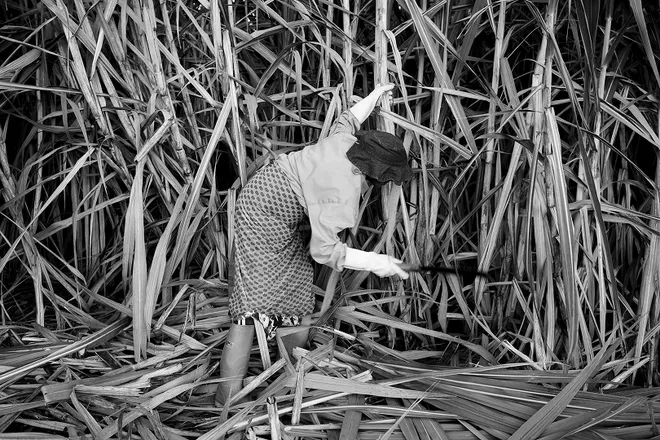
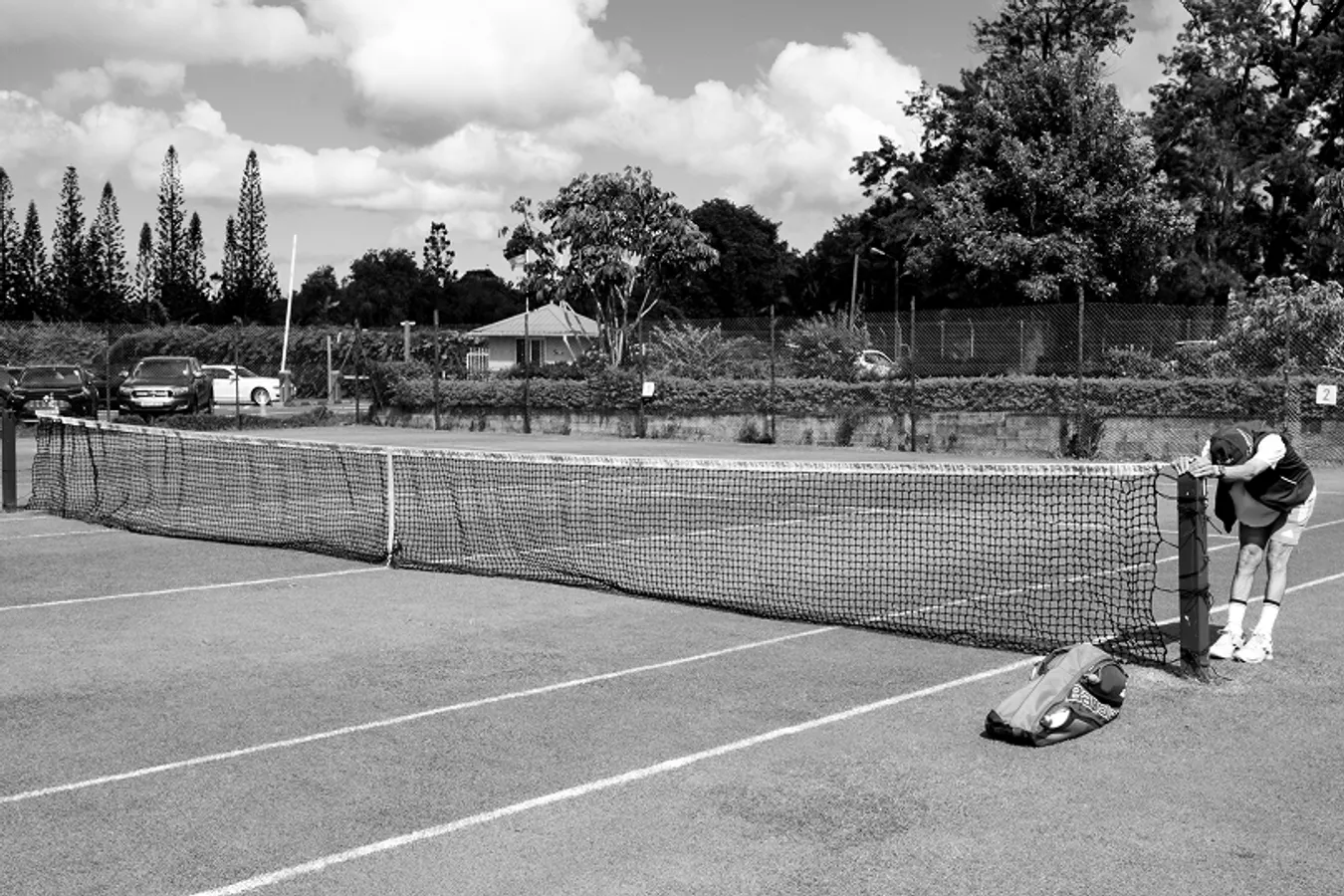
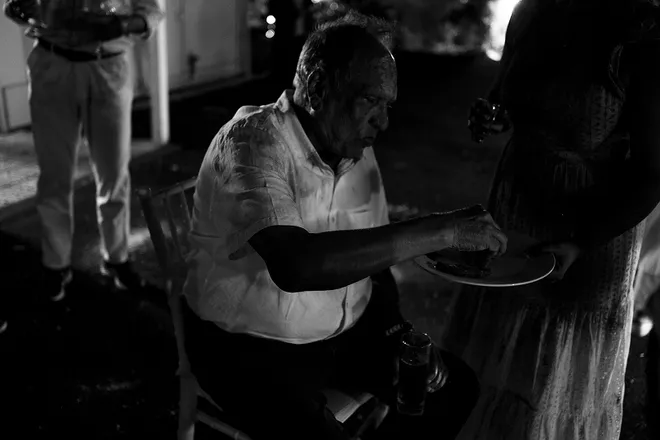
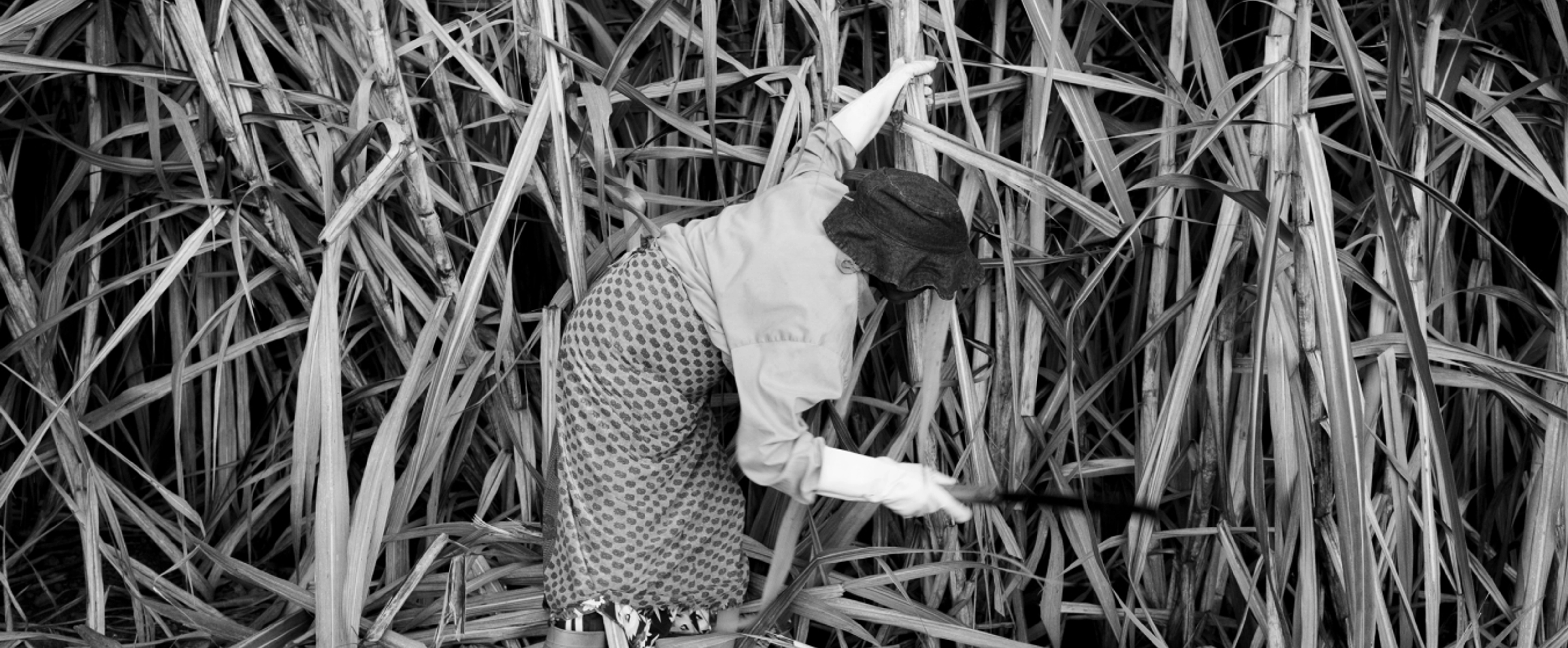
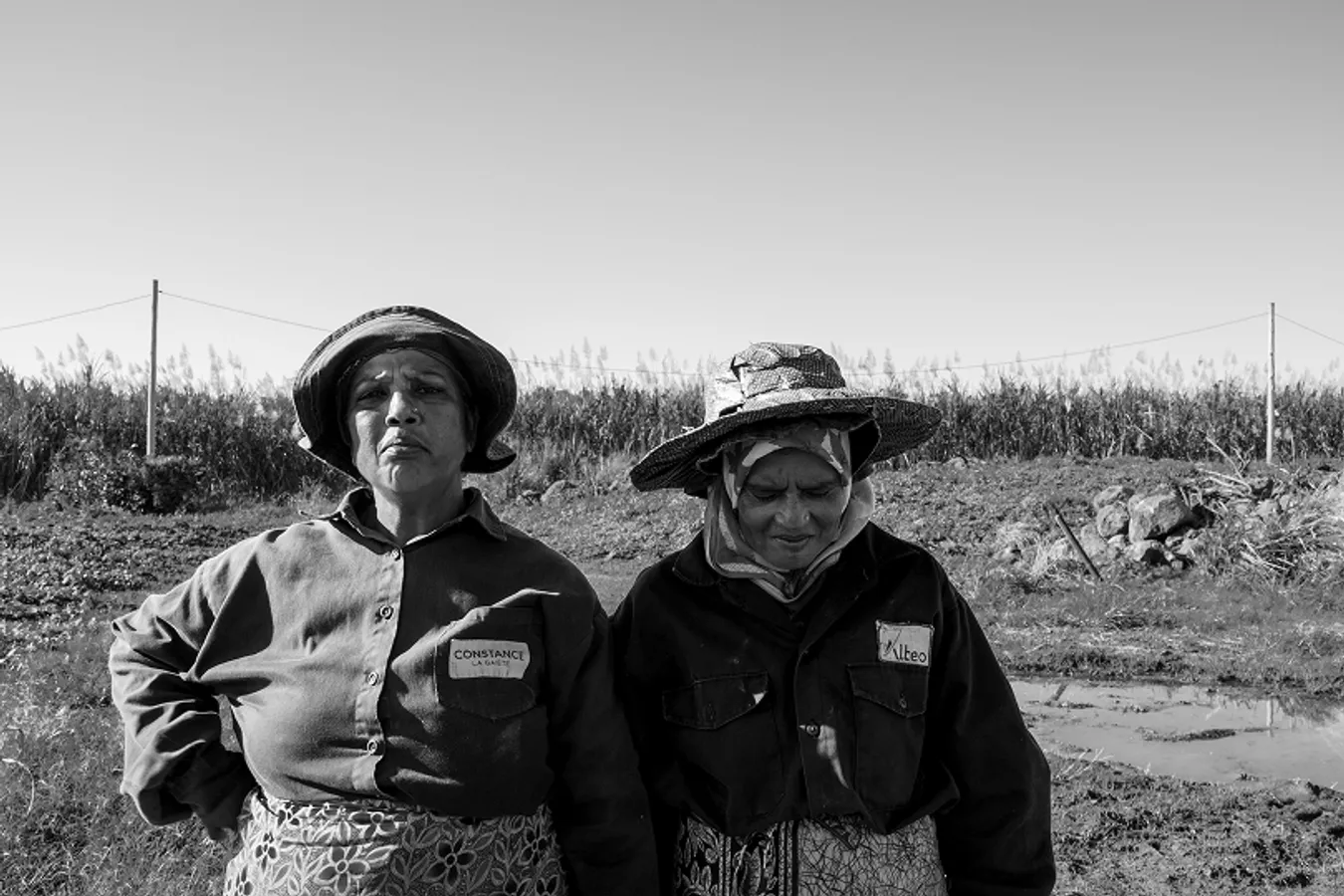
I find myself returning to questions of memory, identity, labour, women’s lives and our relationship with the places we inhabit. I’m also interested in who gets to tell stories, who decides what is worth documenting and how people and places come to be represented.

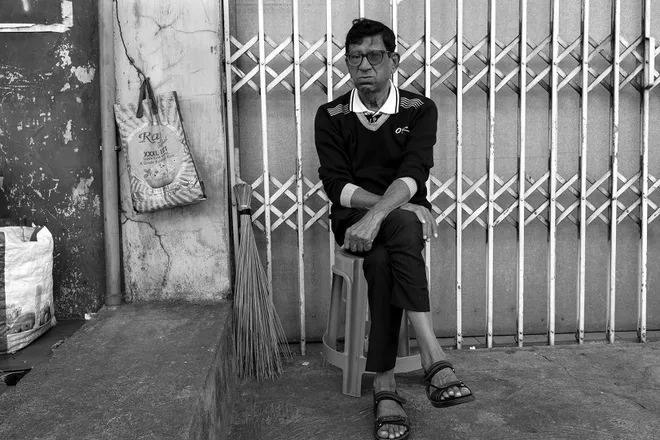
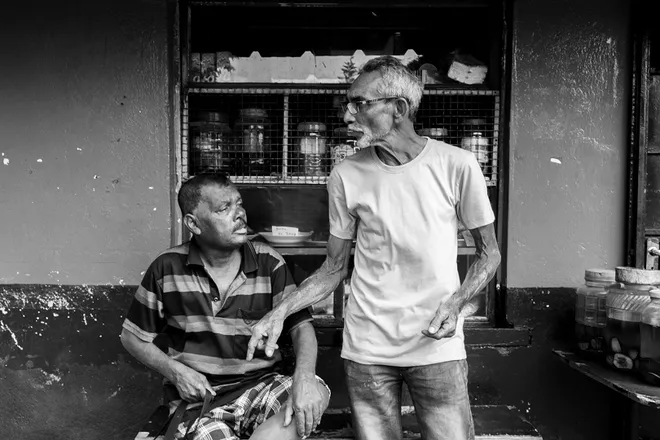
I have thought a great deal about how certain narratives become established, often through the eyes of outsiders, while other experiences remain largely unseen. There is something important to me about being able to tell our own stories. But I’m equally drawn to the peculiarities of everyday life. Not everything I photograph needs to have a larger meaning.

I think of photography as both document and dialogue. Much of my work involves conversations, listening and learning from others. I hope my photographs invite people to look a little longer, to recognise something of their own experience or to see something from another perspective. I also love when an image starts a conversation or brings out a story I hadn’t heard before.

"As someone who isn’t Afghan, I was very conscious that this wasn’t my story to tell on their behalf. I brought my own experience to the work, while remaining open..."

What moment in your career are you most proud of?

One recent experience that has stayed with me is "Where Justice Lives", an exhibition about gender persecution in Afghanistan, presented by DROPS and ConneXus Collaborative. I had previously photographed the People’s Tribunal for the Women of Afghanistan, and I helped to co-curate and develop the exhibition, which also included some of my photographs.

What I’m most grateful for is having been invited to be part of this work. Working alongside Mariam Safi of DROPS, Rina Amiri of ConneXus Collaborative, Hosai Safi and the Afghan women involved was deeply moving. Questions of testimony, representation and the safety of those whose stories were being shared were central to our collaboration, and to my own work developing the ethical approach to storytelling.

As someone who isn’t Afghan, I was very conscious that this wasn’t my story to tell on their behalf. I brought my own experience to the work, while remaining open to what I could learn from those around me. The experience deepened my understanding of collaboration, responsibility and the work we make public.

I’m proud of what we created together.

"I have learnt to be more patient with myself, to make better use of the time I have, and to recognise that there are many ways to build a career in photography."

What is the biggest challenge you’ve faced as a photographer?

Balancing motherhood with my work as a photographer. Photography often asks for a certain freedom: to travel, to follow a story, to spend time somewhere without necessarily knowing where it will lead. With children, that freedom isn’t always possible, or at least it requires a lot more planning.

I have had to learn that I can’t do everything at the same time, and that my work will take different shapes at different stages of my life. There have been times when I could immerse myself in a project, and others when I had to slow down or put things aside.

I don’t think I have entirely figured out the balance, and perhaps I never will. But I have learnt to be more patient with myself, to make better use of the time I have, and to recognise that there are many ways, and many paces, at which to build a career in photography.

What type of photography do you specialise in?

Documentary photography is at the heart of my personal work, although I don’t see it as a boundary around what I photograph. I see it as a way of recording and understanding what I see.

Alongside my independent projects, I take on editorial and commissioned work for publications, cultural institutions, non-profits and businesses. I enjoy working with different people and responding to different briefs, and I think there is room for both personal expression and good, thoughtful commissioned photography.

My approach has evolved over the years, particularly as I have become more involved in long-term projects that bring together photography, research and writing. I’m increasingly interested in environmental questions, particularly water, climate change, agriculture and the relationships between people and the environments they depend on.

These interests have led me to think more carefully about context, about the social and historical forces behind what I’m photographing, and about what photographs can communicate and what they cannot.

"Some projects involve considerable research and planning, while other photographs come from simply being out in the world and noticing things."

What is your unique technical or visual approach?

I’m not sure I have a particularly unique technical approach, and I don’t consciously set out to develop one. I tend to let the subject and the circumstances guide how I photograph, and I don’t approach everything with a particular style in mind.

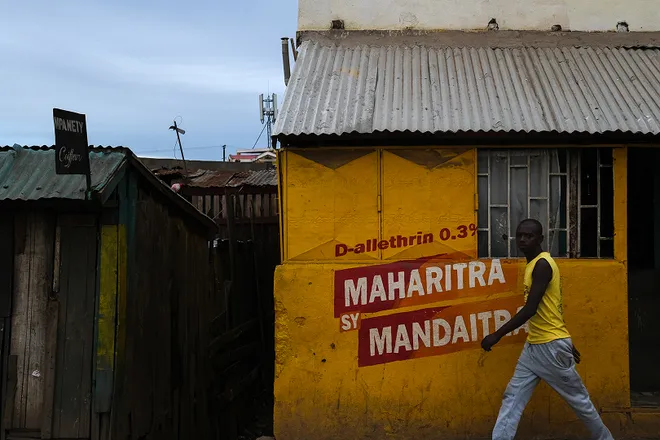
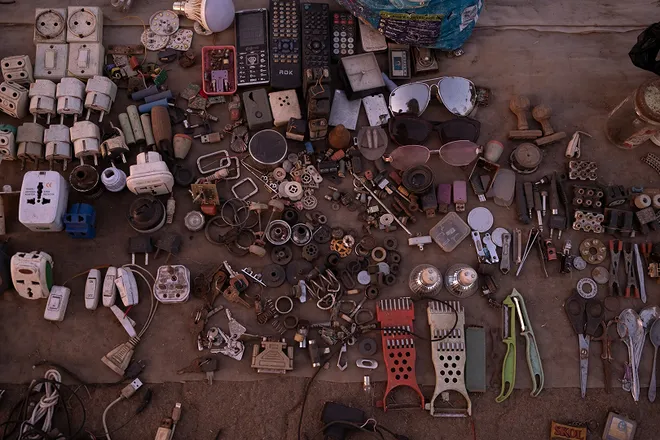
Some projects involve considerable research and planning, while other photographs come from simply being out in the world and noticing things. I’m drawn to small details, unusual juxtapositions, humour and the occasional absurdity of everyday life. I’m interested in what makes an otherwise ordinary scene worth a second look.

I think I’m still developing my visual language, and I’m quite happy with that. There is so much wonderful photography out there, and so much to learn from other photographers. I like the idea of allowing each project to shape its own visual approach, and seeing where that takes me.

Which global brands, photographers, or industries do you feel your work aligns with most?

I find the idea of alignment a little difficult because the photographers I admire have such different approaches. I love Ernest Cole’s photography, and Carrie Mae Weems’s Kitchen Table Series has always stayed with me. I’m fascinated by how Dayanita Singh works with photographs, books and archives, and I love the inventiveness and humour of Sophie Calle.

I particularly admire the work of Philip Blenkinsop, who has also been a wonderful mentor to me, and Anush Babajanyan. More recently, I came across Jess Rhodes, whose photographs I really enjoy.

What draws me to these photographers is their dedication, the individuality of their work and the authenticity they bring to it.

"In Mauritius, documentary photography still has room to grow. There are relatively few opportunities for sustained editorial commissions..."

How’s the photography and art scene in Mauritius?

Mauritius has some very talented photographers, and I have been fortunate to work with people whose creativity and generosity have meant a great deal to me.

I do think photography, documentary photography especially, still has room to grow. There are relatively few opportunities for sustained editorial commissions or support for independent photographic projects, and making this kind of work often means finding ways to fund it yourself.

There have been encouraging opportunities for photographers to exhibit and share their work in recent years, although building a sustainable practice remains challenging. It’s a small community, but one with a great deal of talent, and I have valued the friendships, exchanges and experiences that have come from being part of it.

What is one professional standard you never compromise on?

Integrity. The responsibility that comes with representing other people’s lives and stories. When someone trusts you with their story, there is a responsibility to honour that trust, to represent them fairly and to be mindful of what you choose to show, and what you leave out. I take it seriously, and I’m continually learning to navigate it with care, honesty and respect.

What do you think of the 54Ruum platform?

I think platforms like 54Ruum have an important role to play in bringing African photographers and their work to wider audiences. There is such a rich diversity of photographic practices across the continent, but the stories and images that reach international audiences can still be quite limited.

I particularly appreciate the opportunity to discover photographers from different countries, to see what they’re working on and to hear about their experiences in their own words. Coming from Mauritius, I also value the possibility of connecting with photographers from other parts of Africa, whose work we might not otherwise encounter.

It’s lovely to be included in that exchange.

Credits

Text

Lillian Wangari

Photography

Meha Desai

Curation

guvnor

SHARE THIS STORY

Join Our Community

Explore more content

Company

The Ruum AfricaJoin our team

Products

Select™RTM

© 2026 The Ruum Africa

Built by54grid logo