Omnia Kamal: Egyptian art director and photographer capturing the overlooked details of everyday life

9 mins read
•
Published11 Nov, 2026

"Instead of asking myself what kind of photographer I should be, I started asking a simpler question: 'What do I see that I want other people to see too?'"

Omnia Kamal is an Egyptian art director, photographer, and visual creative based in Cairo, Egypt. With a background in Fine Arts, graphic design, and visual communication, her practice draws on several disciplines to explore composition, light, colour, and the visual character of everyday life.

Kamal began photography in 2014 while working in graphic design. Her interest developed through observing people, places, architecture, craftsmanship, and details that caught her attention. Over time, she explored different forms of visual storytelling, building a creative practice shaped by her work across design and photography.

After stepping away from photography to focus on other areas of her career, Kamal recently returned to the medium with a renewed sense of purpose. Her work moves between street photography, portraiture, nature, architecture, traditional industries, and everyday scenes, guided by curiosity and her response to the subjects she encounters.

Her return has brought a more personal approach to image-making, centred on observation, visual instinct, and the desire to share moments that others might pass by.
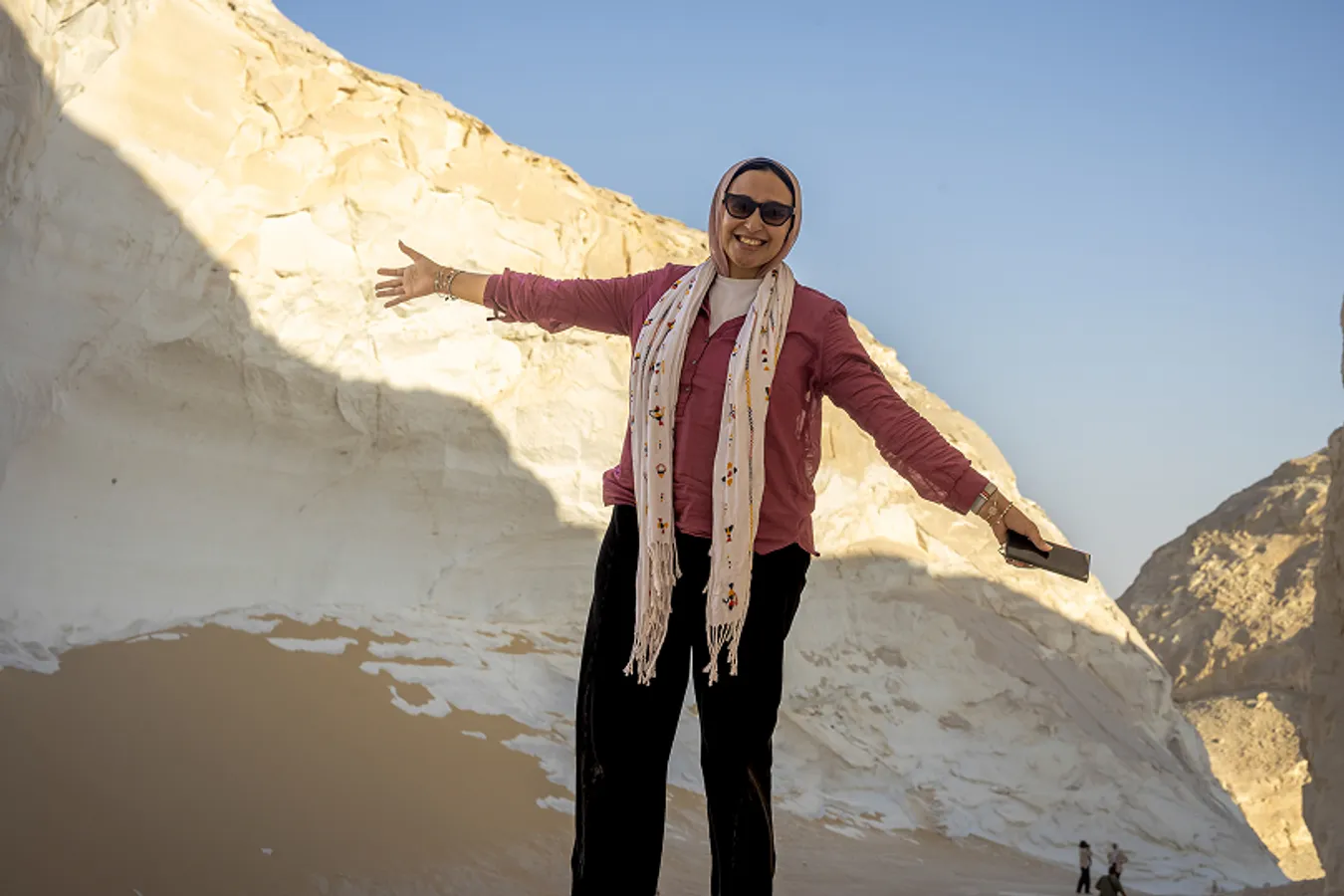
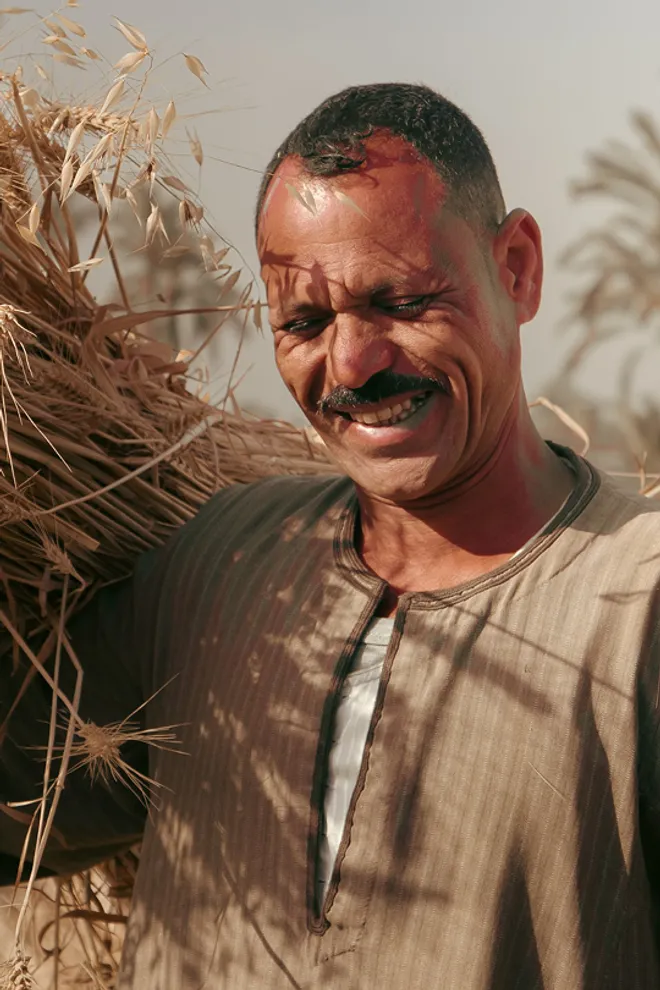
Portrait of Omnia Kamal - Egyptian art director & photographer

How did you get started in photography?

I started in 2014, while I was already working in graphic design and developing my visual language. At first, photography was another way for me to explore the things I was already interested in: composition, light, people, places, and visual details.

What kept me connected to photography was the simple feeling of seeing something beautiful or interesting and wanting to preserve it and share it with others.

Over time, I realised that I was more interested in the way I see things than in pursuing a particular type of photography.

How would you describe yourself?

A visual observer. I am naturally curious about people, places, materials, details, and the stories behind them.

What are the main themes that inspire your photography?

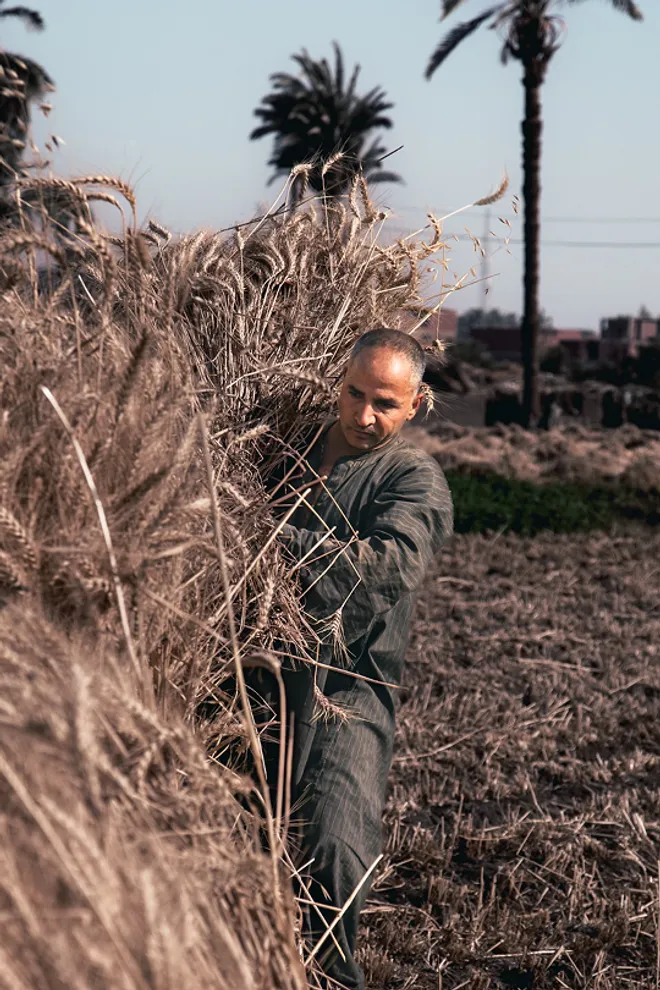
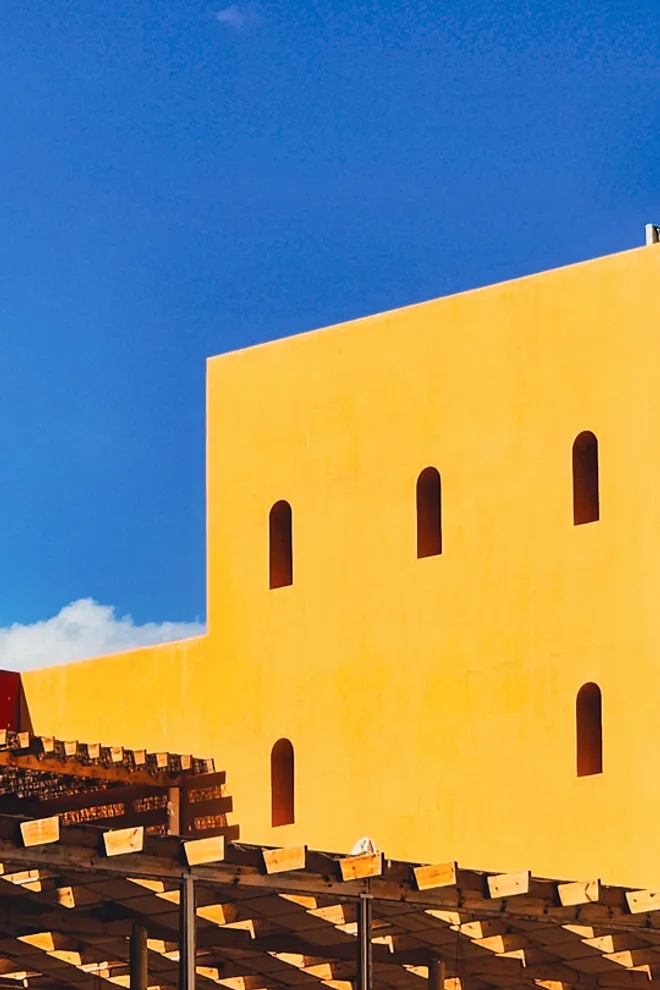
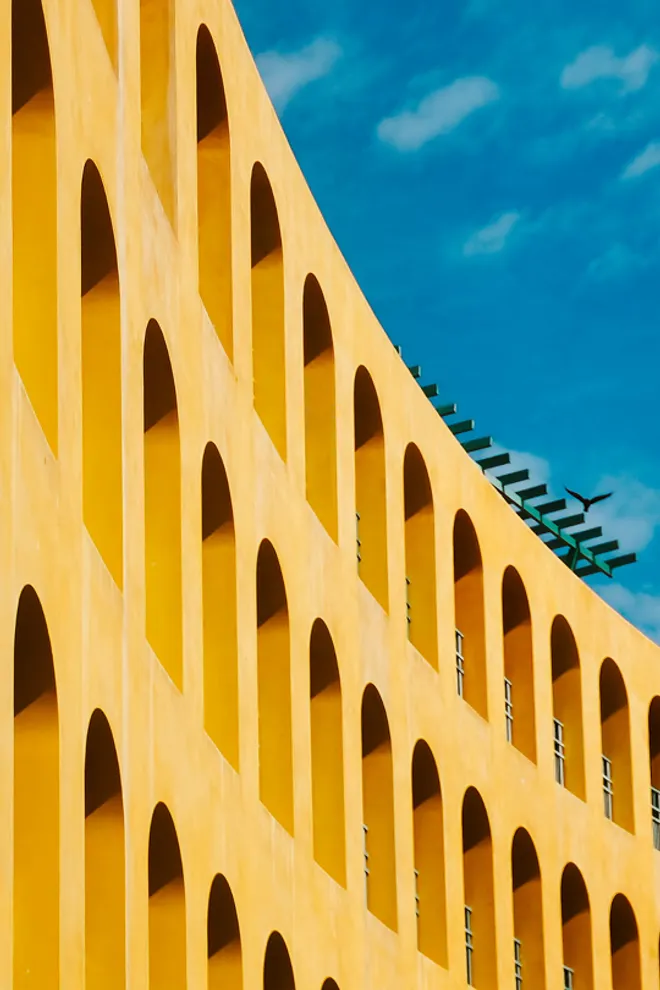
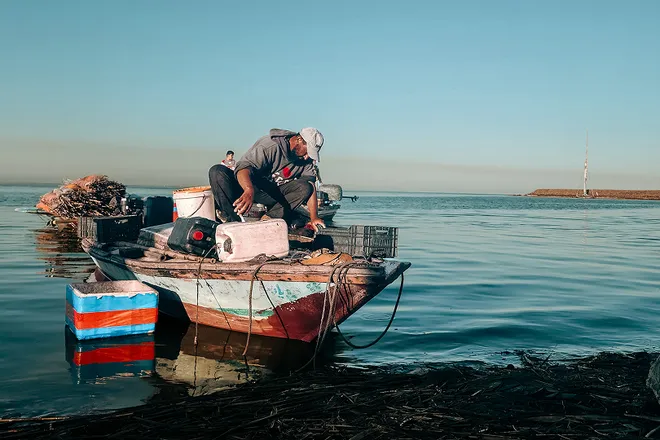
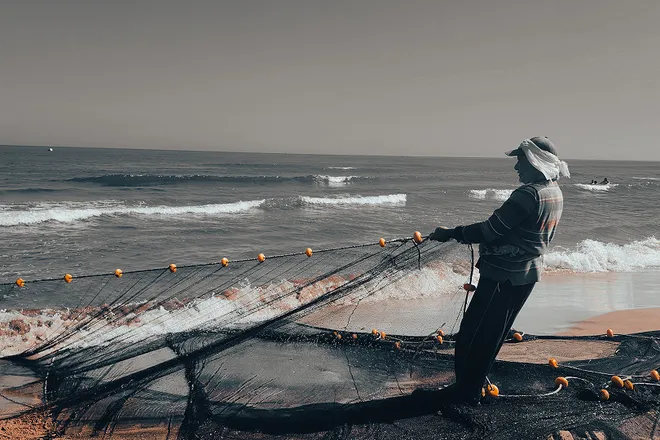
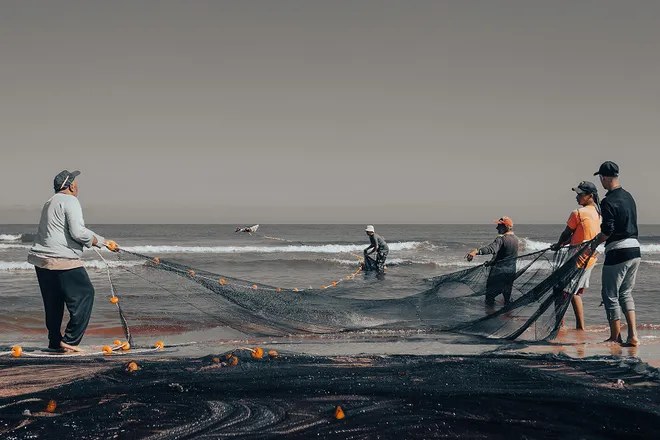
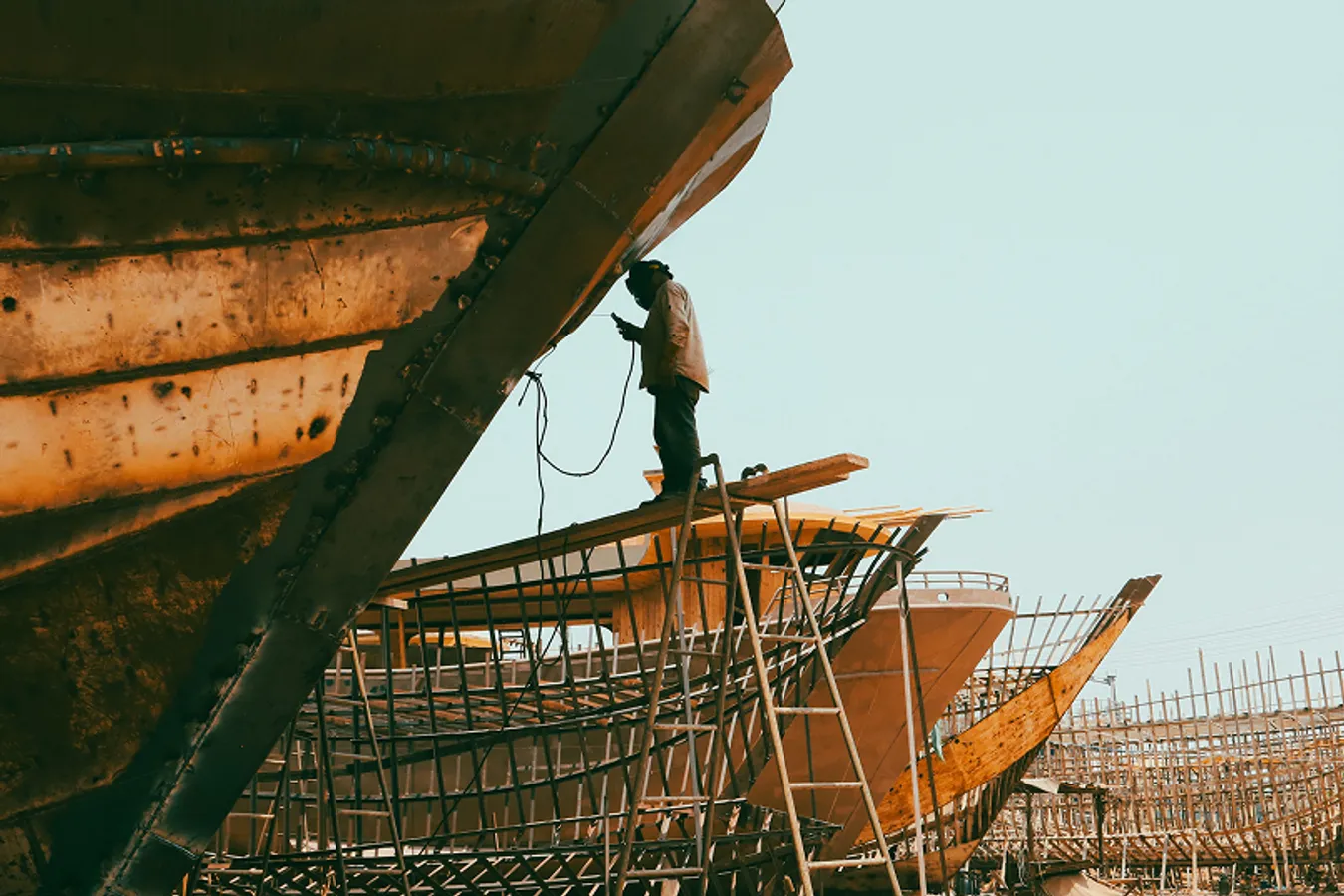
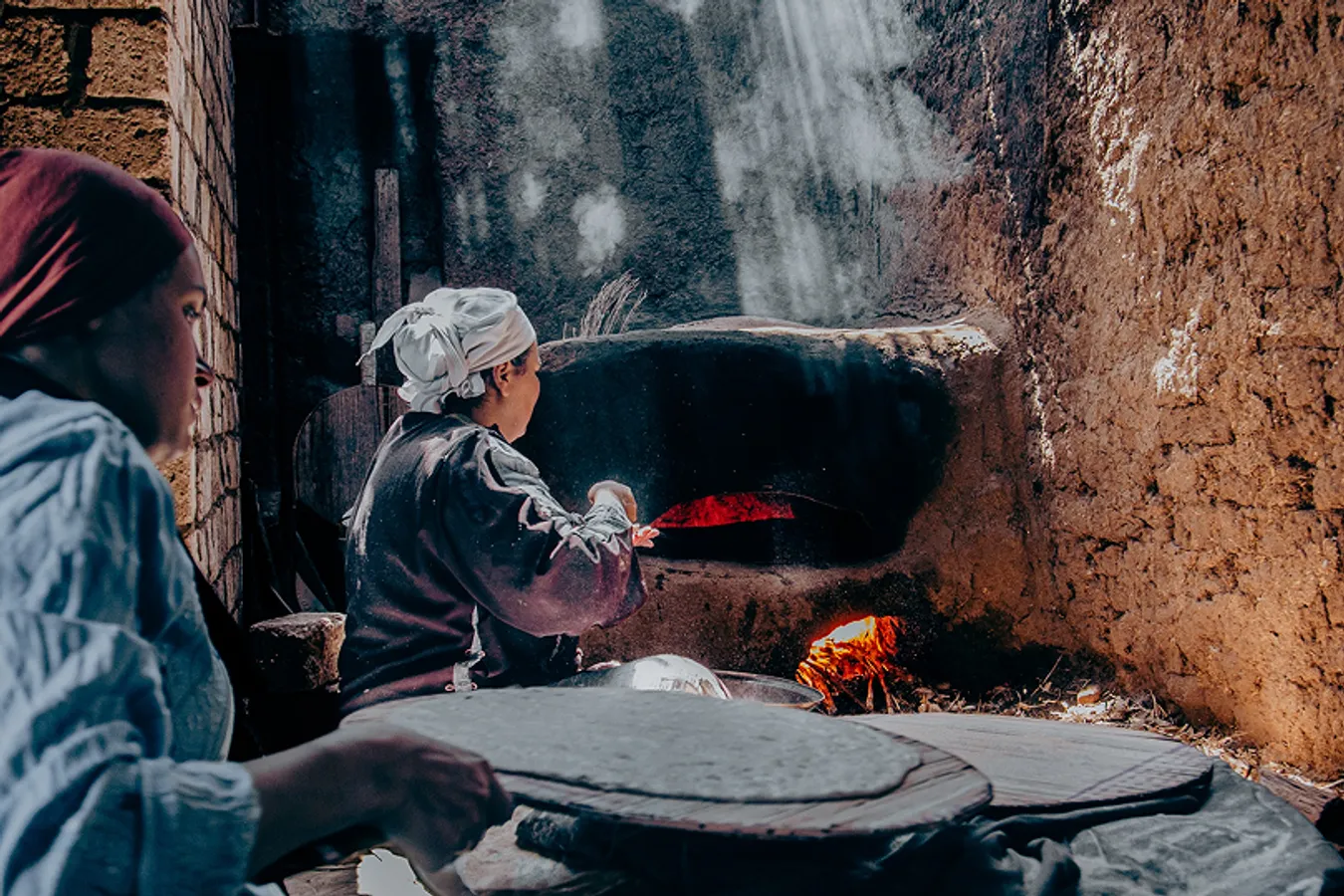
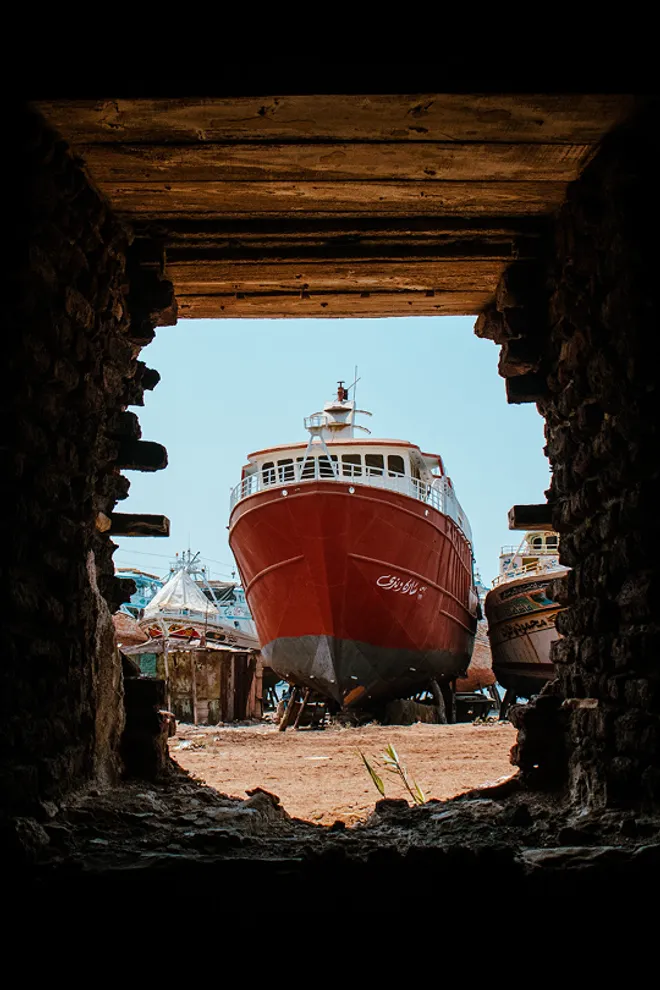
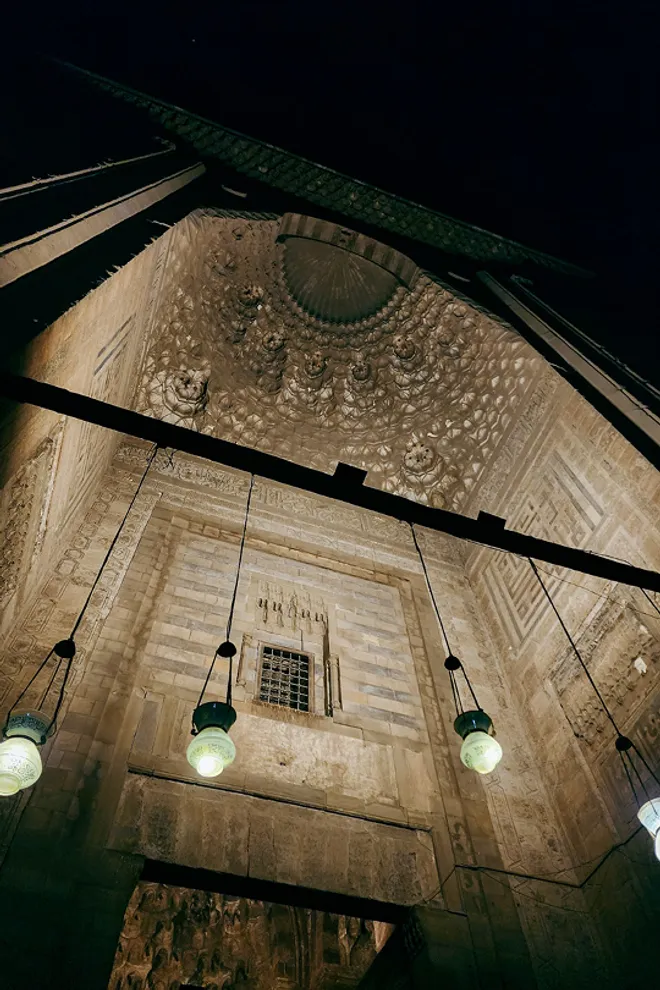
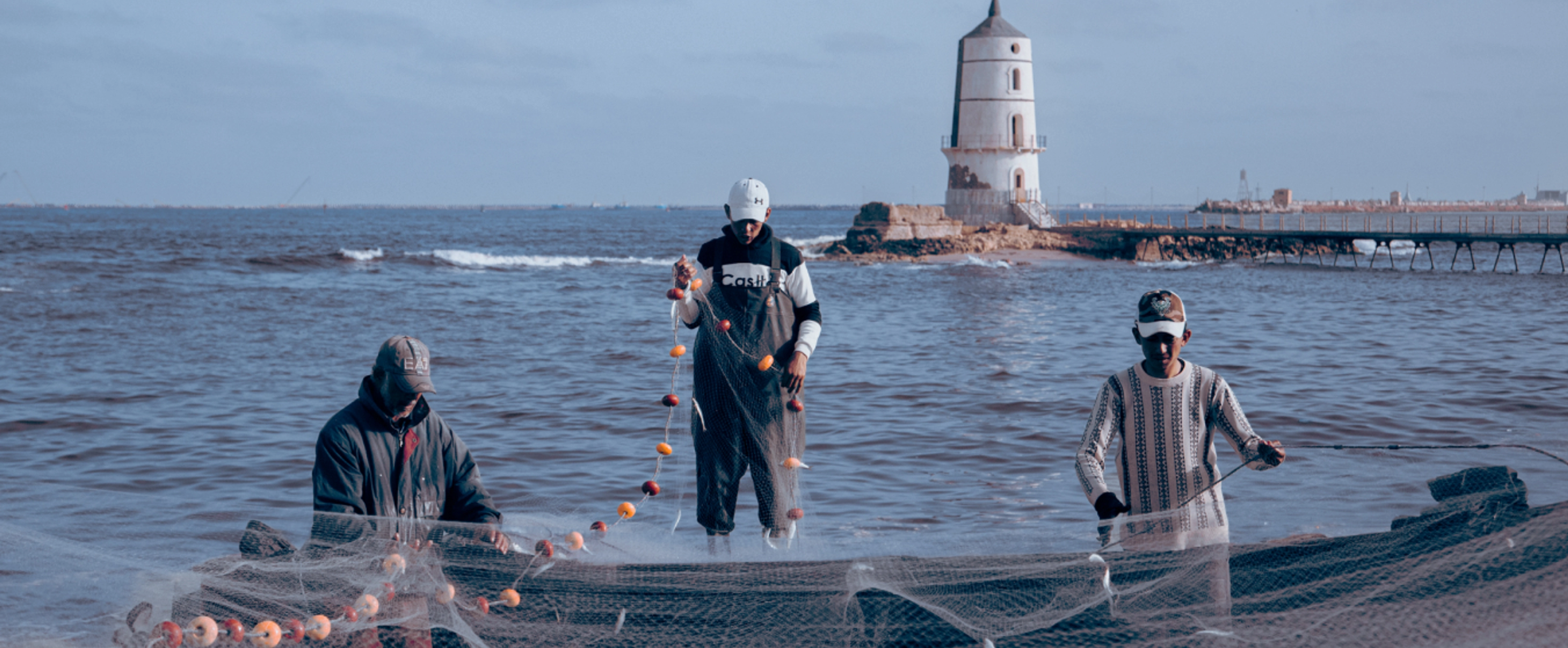
Everyday life, people, places, culture, craftsmanship, architecture, nature, and the small visual details that are often overlooked. I am especially drawn to things that carry a sense of identity or human presence: a face, a street, an old building, a handmade object, a traditional craft, or even a simple moment that would normally pass unnoticed.

What is the biggest challenge you've faced as a photographer?

Stepping away from photography for a period of time and then finding my way back to it. Coming back made me realise that photography could be a way of following my own interests and perspective. I learned to trust my own eye again and to photograph what genuinely interests me.

Instead of asking myself what kind of photographer I should be, I started asking a simpler question: "What do I see that I want other people to see too?"

What type of photography do you specialise in?

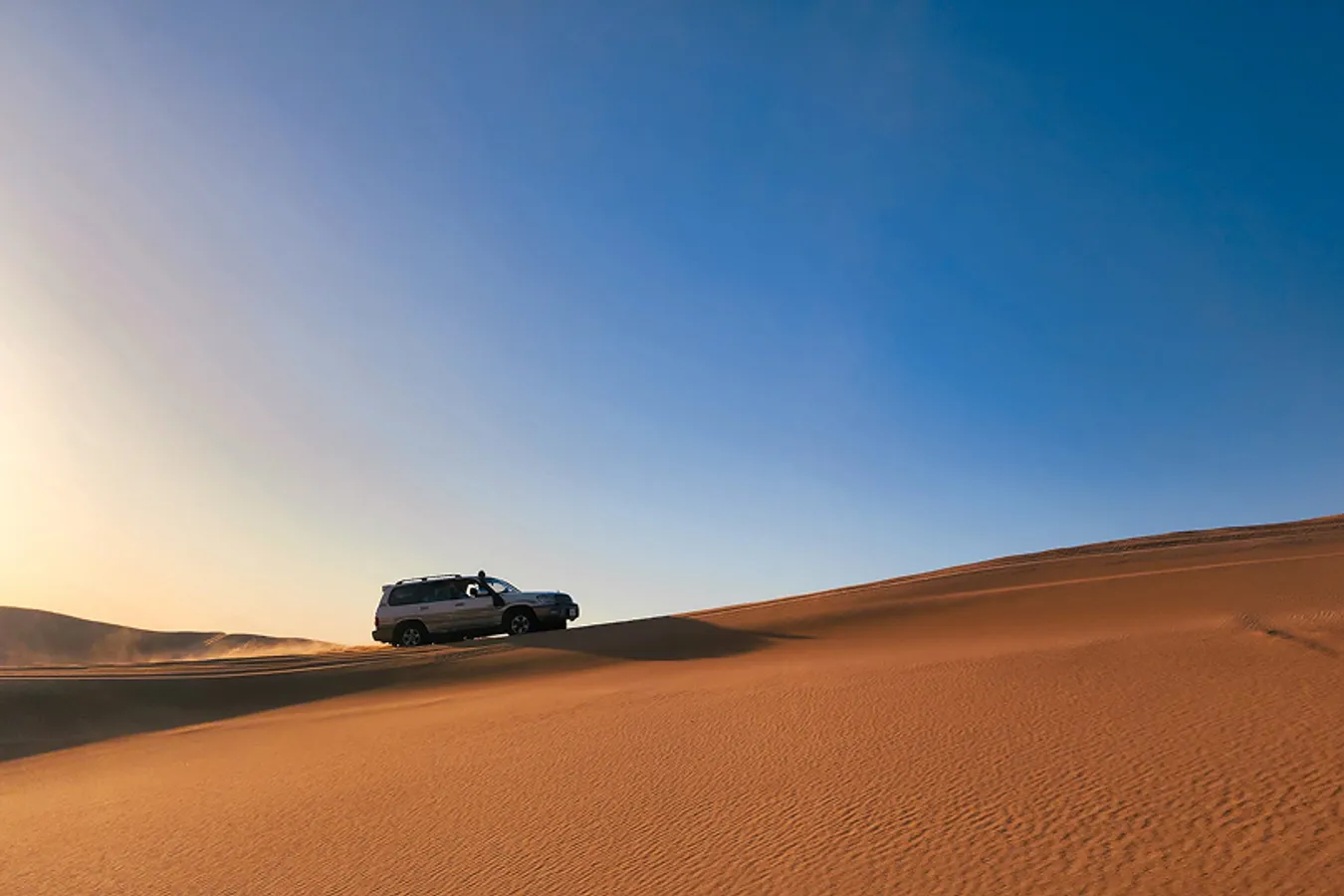
My photography moves between street, nature, portraiture, architecture, crafts, traditional industries, and everyday life. What connects these different subjects is the way I see them. I photograph things that catch my attention visually or emotionally and try to translate that feeling into an image.

What is your unique technical or visual approach?

My approach starts with observation and responding to what is already in front of me: the light, the composition, the colours, the character of a place, or a particular human moment.

How's the photography and art scene in Egypt?

Egypt has a very rich and diverse visual and cultural environment, which makes it an inspiring place for photographers and artists. There is an incredible mix of history, architecture, people, crafts, contemporary culture, and everyday life to explore.

In recent years, photography has become more accessible, especially through social media and independent creative communities. More photographers are developing personal visual languages and exploring different ways of approaching photography.

What is one professional standard you never compromise on?

Intention and attention to detail. Whether it is a simple photograph or a larger visual project, I want there to be a clear reason behind the image.

What do you think of the 54Ruum platform?

I think 54Ruum has the potential to become a valuable platform for photographers and visual creatives, especially because it focuses on building a community.

What I find particularly interesting is the possibility of connecting photographers with opportunities, other creatives, brands, and a wider audience.

I also think platforms like this can play an important role in giving African photographers more visibility and creating conversations around different visual cultures and perspectives.

Credits

Text

KMÒ

Photography

Omnia Kamal

Curation

guvnor

SHARE THIS STORY

Join Our Community

Explore more content

Company

The Ruum AfricaJoin our team

Products

Select™RTM

© 2026 The Ruum Africa

Built by54grid logo